

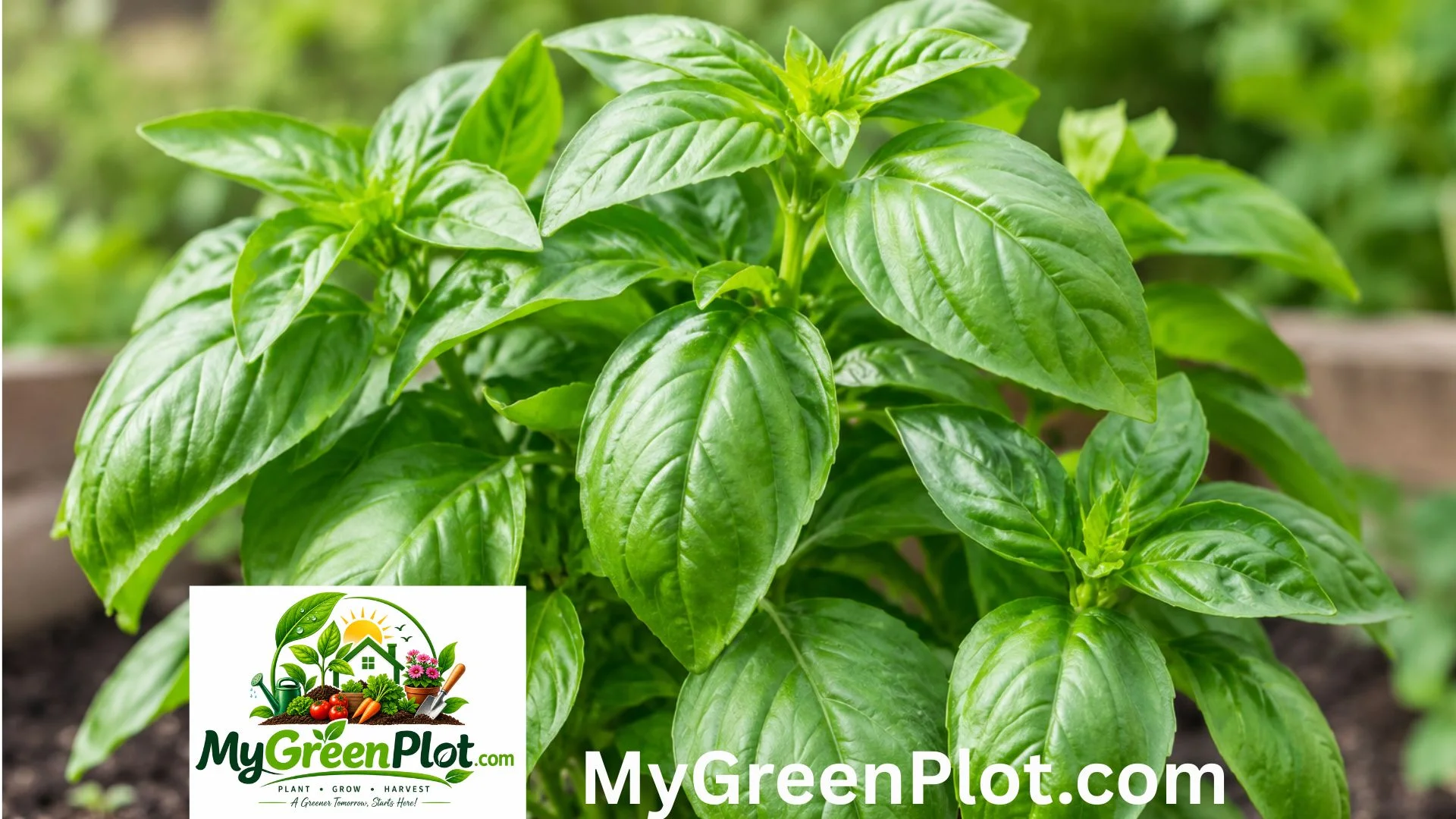
A basil shortage can develop when hot weather, crop disease, transportation problems, or changes in harvest timing reduce the amount of fresh basil reaching the market. Basil is a particularly delicate fresh herb, so even a relatively short disruption can affect quality and availability quickly.
There is not enough reliable evidence to describe a permanent, nationwide basil shortage in the United States right now. However, basil supply can become tight in particular regions or seasons. Current U.S. wholesale information shows that basil prices vary considerably by market, origin, variety, and package size, while domestic greenhouse production and imports help fill gaps when local supplies are limited.
Why Can a Basil Shortage Happen?
Basil is a warm-season crop, but that does not mean it handles every kind of heat well. Excessive temperatures can interfere with plant growth, reduce crop quality, and make production more difficult.
Weather is only one part of the equation. Fresh basil moves through a short supply chain from grower to distributor to retailer, and the leaves can lose quality quickly if harvesting, cooling, packing, or transportation is delayed.
Plant diseases can create another problem. USDA’s National Institute of Food and Agriculture has highlighted research into basil production problems, including downy mildew, disease management, nutritional issues, and extending the shelf life of fresh herbs.
That combination makes basil different from crops that can sit in storage for months. A disruption at the farm level can become noticeable at the grocery store relatively quickly.
Is There a Basil Shortage in the United States?
There can be localized or seasonal shortages, but the available evidence does not establish a single nationwide basil shortage affecting every U.S. retailer.
The U.S. market receives basil from both domestic growers and international suppliers. The FDA identifies Colombia, Ecuador, Israel, Mexico, and Peru among the countries that supply basil to the United States.
This diversified supply can help when production falls in one location. A store in one city might have plenty of basil while another location experiences higher prices or limited stock.
Current wholesale market information also shows that basil prices can differ substantially between terminal markets. USDA Market News data reported through September 2026 show that wholesale prices vary according to market, variety, origin, and package size.
Click More : Green Onion Shortage
How Does Weather Affect Fresh Basil?
Weather can influence basil from planting through harvest. Heat, heavy rain, humidity, and other unfavorable conditions can affect plant growth and create an environment where disease becomes more difficult to control.
Basil also has a relatively short commercial shelf life. Unlike onions, potatoes, or other crops that can be stored for extended periods, fresh basil is generally sold soon after harvest.
This makes timing especially important. If poor weather delays harvesting or transportation, the effect may not simply be fewer bunches. Retailers may also receive basil with shorter remaining shelf life or lower visual quality.
USDA research into controlled-environment herb production is partly aimed at reducing these vulnerabilities. Researchers are studying greenhouse and indoor growing systems that could provide more consistent year-round herb production.
Why Is Basil Supply Dependent on Imports?
Imports are an important part of the U.S. fresh-herb market. The FDA lists several countries that supply fresh basil to American consumers, including Mexico, Colombia, Ecuador, Israel, and Peru.
Historical U.S. market research also shows how important international suppliers have been for fresh basil. A USAID market report found that Mexico and Egypt were major suppliers of fresh basil to the United States in 2013, with Colombia also holding a significant share of import volume at that time.
The exact supplier mix can change over time as production costs, weather, transportation, demand, and trade conditions change. USDA’s food-import data tracks these movements because seasonal and climatic factors influence the flow of imported food into the United States.
For shoppers, the important point is that the U.S. basil supply is not dependent on one farm or one growing area.
Click More: Pickle Shortage
Are Basil Prices Rising?
Basil prices can rise when available supply falls, but there is no single national price because wholesale and retail markets operate differently.
Current USDA Market News-based information shows wholesale basil prices varying by terminal market, package size, variety, and origin. On September 14, 2026, reported wholesale prices ranged from about $5 to $30 per package across the markets and specifications covered by the data. These are wholesale terminal-market prices, not what every shopper pays at a grocery store.
A price increase therefore does not automatically prove that there is a nationwide shortage. Retail prices can also be affected by freight costs, packaging, store margins, local demand, and the particular supplier serving a retailer.
That is why two supermarkets in the same region can sometimes display noticeably different basil prices.
Could Disease Contribute to a Basil Shortage?
Yes. Plant disease can reduce basil availability when it damages crops or makes growers change production practices.
Downy mildew is one disease that has received particular attention in basil research. USDA’s National Institute of Food and Agriculture reports that researchers are developing production recommendations to reduce the incidence of downy mildew and studying disease and nutritional problems affecting culinary herbs.
Disease pressure can become especially difficult when weather creates favorable conditions for pathogens. Growers may have to remove affected plants, adjust environmental conditions, change production schedules, or use approved disease-management practices.
The impact depends heavily on the affected growing region. A disease problem on one farm does not automatically mean basil disappears from the entire market because other domestic growers, greenhouse operations, and importers may still have supplies.
Can Greenhouses Help Prevent Basil Shortages?
Greenhouses and other controlled-environment systems can provide a more predictable way to grow basil throughout the year. Instead of relying entirely on outdoor conditions, growers can control factors such as temperature, irrigation, humidity, light, and growing media.
USDA’s National Institute of Food and Agriculture says U.S. demand for culinary herbs is growing rapidly and reports that field production is concentrated in states including California, Hawaii, and Florida. The agency also notes that the United States imports more than $294 million in fresh herbs each year.
Controlled-environment agriculture is not a complete replacement for traditional farms, but it can add another source of supply. Indoor and greenhouse operations may also place production closer to major population centers, potentially shortening transportation distances.
For basil, that flexibility can be valuable because consumers expect fresh herbs to be available even outside the main outdoor growing season.
How Long Could a Basil Shortage Last?
The length of a basil shortage depends on what caused the supply problem. A brief weather disruption may ease once harvesting returns to normal, while a serious disease problem or prolonged unfavorable weather can take longer to resolve.
Import availability also matters. If domestic production falls, supplies from Mexico, Colombia, Ecuador, Peru, Israel, or other producing countries can influence how quickly the market adjusts.
Because basil is harvested repeatedly from many commercial crops and can also be produced in controlled environments, supply can respond differently from crops that have only one major harvest each year.
For consumers, a temporary shortage is more likely to appear as higher prices, smaller packages, limited availability, or basil that sells out faster than usual rather than a complete disappearance from stores.
Frequently Asked Questions About Basil Shortage
Is there a basil shortage right now?
There is no strong evidence establishing a nationwide U.S. basil shortage in September 2026. Basil availability can still be tight in individual markets because supplies vary with weather, crop conditions, imports, and local demand.
Why is basil sometimes hard to find?
Fresh basil can become difficult to find when weather damages crops, disease reduces production, shipments are delayed, or demand temporarily exceeds available supply. Because basil is perishable, disruptions can become visible quickly.
Where does U.S. basil come from?
U.S. basil comes from domestic farms and imported supplies. The FDA identifies Colombia, Ecuador, Israel, Mexico, and Peru among countries that supply basil to the United States.
Will basil prices go back down?
Prices can decrease when harvests improve and more supplies reach wholesalers and retailers. The timing depends on growing conditions, import availability, transportation, demand, and the quality of available basil.
Can greenhouse farming reduce basil shortages?
Greenhouse and indoor production can help provide a steadier supply because growers can control more of the growing environment. USDA-funded research is examining controlled-environment production as a way to strengthen year-round fresh-herb supply.
Sources: USDA National Institute of Food and Agriculture | USDA Economic Research Service | U.S. Food and Drug Administration | USDA Agricultural Research Service
