

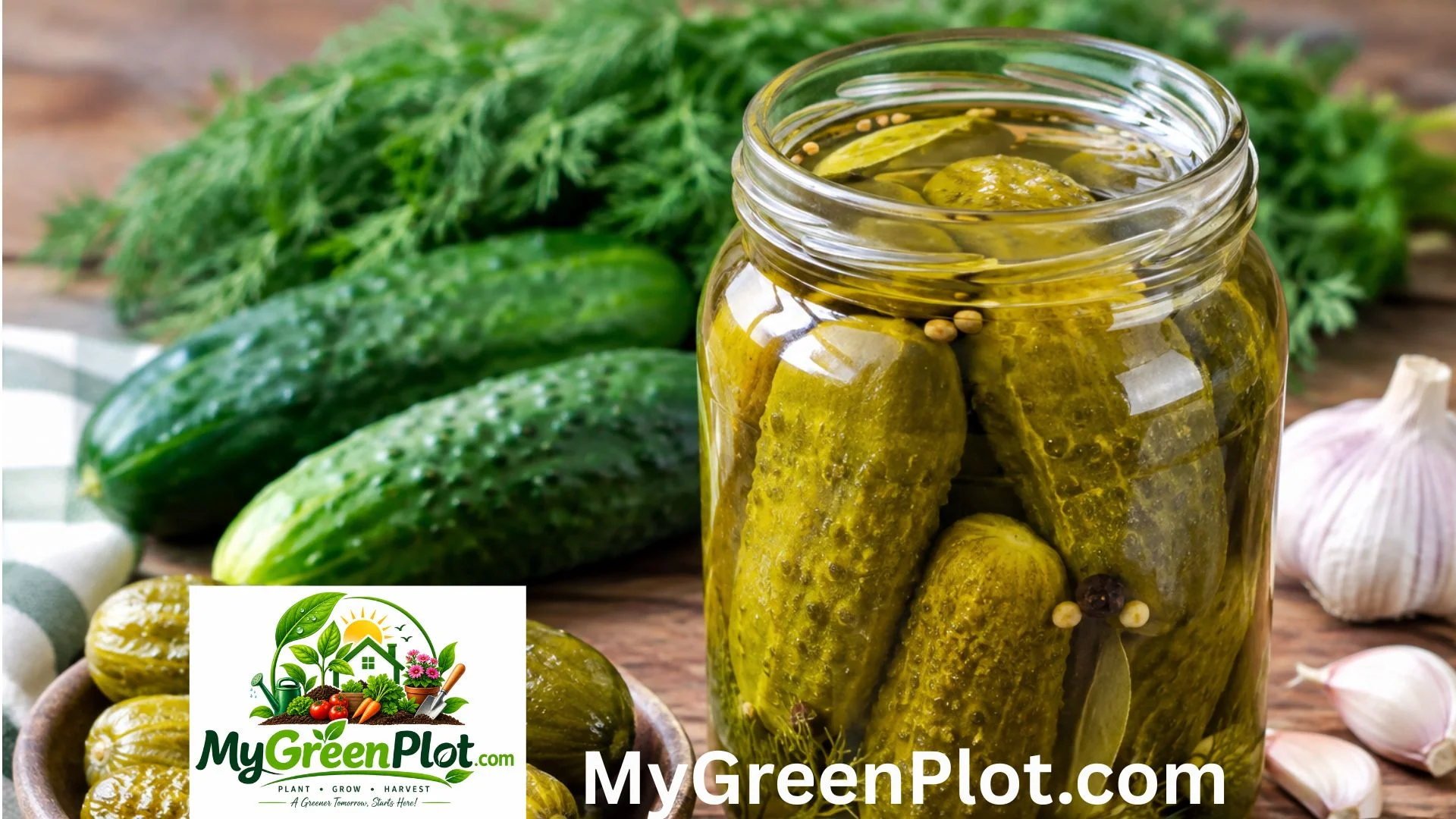
A pickle shortage can happen when demand for cucumbers rises while farmers, processors, and food manufacturers face problems with crop yields, weather, labor, transportation, or processing capacity. Because pickles depend heavily on a reliable supply of pickling cucumbers, even a smaller-than-usual harvest can put pressure on production and prices.
What Is Causing the Pickle Shortage?
A pickle shortage is usually not caused by a single problem. Pickle production depends on several stages, beginning with cucumber farming and ending with processing, packaging, and distribution.
Weather is one of the biggest factors. Excessive heat, drought, heavy rainfall, flooding, and unexpected temperature changes can reduce cucumber yields or affect the quality of the crop. Farmers may also face higher costs for seeds, fertilizer, irrigation, fuel, and farm labor.
At the processing stage, manufacturers need enough cucumbers, vinegar, salt, jars, lids, spices, and packaging materials. A disruption in any of these areas can make it harder for companies to keep shelves fully stocked.
This means a shortage may affect certain pickle varieties, brands, or regions without creating a complete nationwide disappearance of pickles.
Click The Link:Spinach Shortage
How Cucumber Supply Affects Pickle Production
Pickling cucumbers are different from many cucumbers sold fresh. Processors often need specific sizes and qualities so the cucumbers can be turned into whole pickles, spears, chips, or relish.
When farmers produce fewer suitable cucumbers, pickle manufacturers have less raw material available. Small cucumbers can be especially important because they are commonly used for products such as dill pickles and gherkins.
A weak cucumber harvest can therefore create problems several months later. The effects may not appear immediately because processors can use existing inventories before supplies become tighter.
Weather and Farming Problems Behind Supply Pressure
Weather can have a direct effect on cucumber production. Cucumbers need adequate moisture, suitable temperatures, and a reasonably stable growing season.
Drought can reduce plant growth and increase irrigation requirements. Heavy rain can create waterlogged soil and increase the risk of disease. Extreme heat can also interfere with flowering and fruit development.
Farmers may respond by reducing planting or shifting acreage to crops they believe will provide better returns. If fewer acres are planted with processing cucumbers, the available supply for pickle manufacturers can become tighter.
Climate-related production uncertainty can make planning more difficult for both growers and food companies.
Why Pickle Prices Can Rise During a Shortage
When the supply of suitable cucumbers becomes limited, the cost of obtaining raw ingredients can increase. Processors may also face higher expenses for labor, energy, transportation, packaging, and storage.
Retail prices do not always increase immediately. Supermarkets and food manufacturers may have contracts, inventories, or purchasing arrangements that temporarily protect consumers from higher costs.
However, if elevated production costs continue, companies may eventually adjust prices. Consumers may notice higher prices, smaller containers, fewer promotional discounts, or changes in product availability.
A higher price does not necessarily mean that pickles have completely run out. It can simply indicate that producing and distributing them has become more expensive.
Are Pickles Actually Disappearing From Stores?
A pickle shortage does not necessarily mean that every supermarket will have empty shelves. Shortages can be regional or limited to particular products.
One store may have plenty of dill pickle spears while another has difficulty keeping a specific brand of pickle chips in stock. Supply can also vary depending on the retailer’s contracts, distribution network, and inventory levels.
Consumers may therefore see inconsistent availability rather than a complete absence of pickles.
Checking different stores and considering alternative brands or pickle styles can help when a preferred product is temporarily unavailable.
How Food Companies and Farmers Can Respond
Farmers and food manufacturers have several ways to reduce the effects of supply disruptions. Growers can adjust planting schedules, improve irrigation, select suitable cucumber varieties, and manage crop risks more carefully.
Processors can work with multiple growers and sourcing regions instead of depending heavily on one agricultural area. Maintaining appropriate inventories of cucumbers and other ingredients can also provide protection against short-term disruptions.
Manufacturers may additionally adjust product sizes, recipes, packaging, or purchasing strategies when input costs become unusually high.
The effectiveness of these measures depends on the severity and duration of the underlying supply problem.
What Consumers Can Expect From a Pickle Shortage
Consumers experiencing a pickle shortage may notice higher prices, temporary stock shortages, reduced discounts, or fewer choices on store shelves. These effects can vary considerably by location and product.
The most important factor is the condition of the cucumber crop and the ability of processors to turn available cucumbers into finished products. If agricultural production improves and processing and distribution remain stable, supply pressure can ease.
For shoppers, the practical response is simple: compare brands, check different retailers, and consider different formats such as whole pickles, spears, chips, or relish when a particular product is unavailable.
FAQs
1. Is there a pickle shortage right now?
A pickle shortage can affect specific brands, regions, or pickle varieties without creating a universal shortage. Availability depends on cucumber production, processing, distribution, and local store inventories.
2. Why are pickles becoming more expensive?
Pickle prices can rise when cucumbers, packaging, labor, transportation, energy, or other production costs increase. A reduction in suitable cucumber supplies can place additional pressure on prices.
3. Does a cucumber shortage cause a pickle shortage?
Yes. Pickles are made primarily from cucumbers, so a significant reduction in the supply of suitable pickling cucumbers can affect pickle production.
4. Will the pickle shortage last a long time?
The duration depends on the cause. A temporary crop or distribution problem may ease relatively quickly, while repeated poor harvests or prolonged increases in production costs can create longer-lasting supply pressure.
5. Why are some pickle brands available while others are sold out?
Different brands use different suppliers, processors, distribution networks, and inventories. As a result, one brand may remain well stocked while another experiences temporary shortages.
Conclusion
The pickle market depends on a chain that starts with cucumber growers and continues through processing, packaging, transportation, and retail. Problems anywhere along that chain can affect availability and prices. A pickle shortage is therefore best understood as a supply-chain issue rather than simply a lack of pickles at one particular store.
