

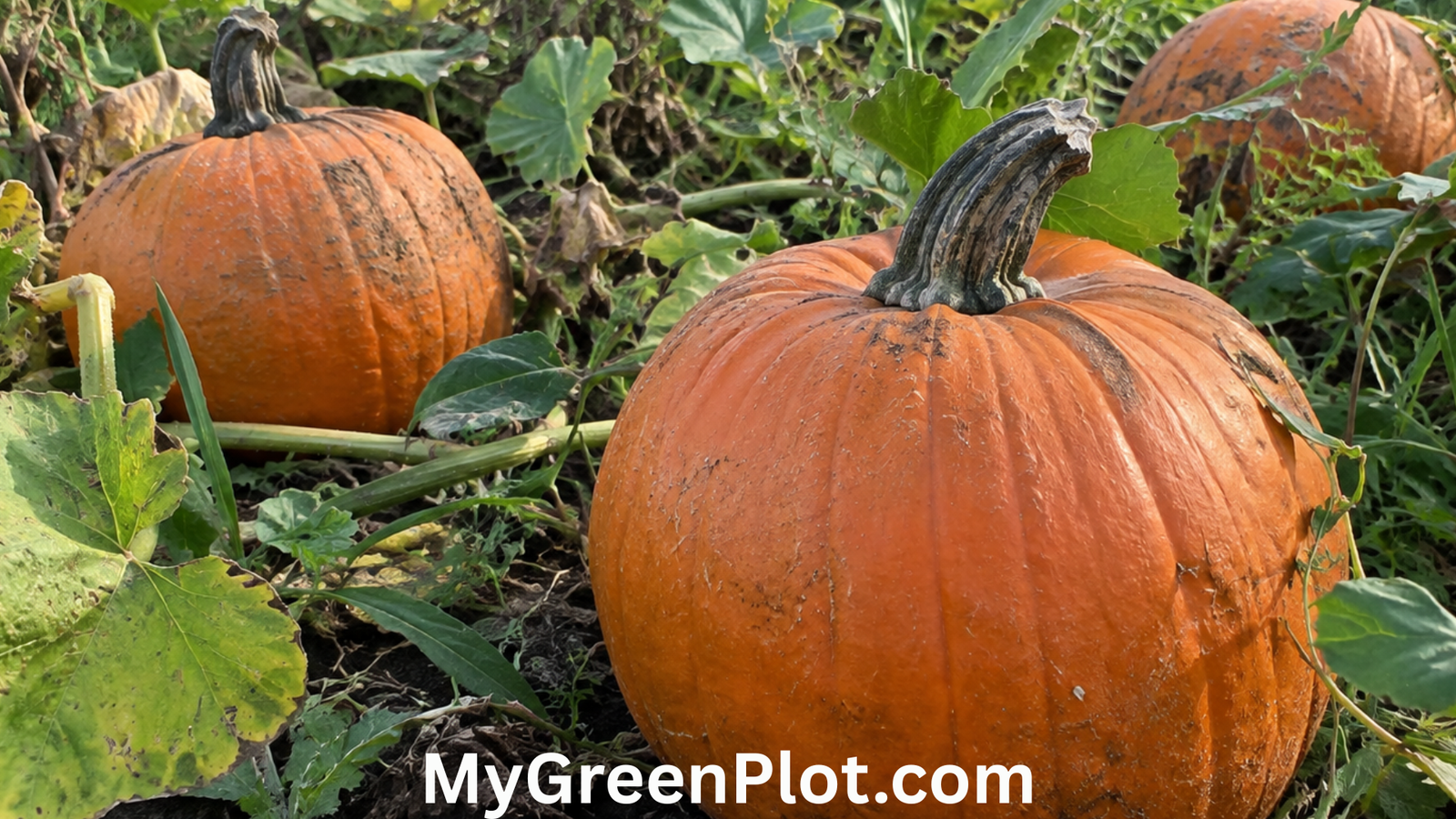
A pumpkin shortage can affect grocery stores, farmers, bakeries, food manufacturers, and households that rely on pumpkins for cooking and seasonal recipes. Pumpkins are used in soups, pies, desserts, sauces, decorations, and animal feed, making them an important crop in several agricultural markets. When harvests decline or distribution becomes more difficult, supplies may tighten and prices may increase.
The reasons behind a pumpkin shortage vary by region and season. Unfavorable weather, crop diseases, pests, rising production costs, and transportation problems can all affect availability. Canned pumpkin products may experience different supply challenges because they depend on processing facilities, packaging materials, stored inventory, and demand from food manufacturers and consumers.
Understanding these factors helps explain why fresh pumpkins may remain available while canned pumpkin becomes harder to find, or why shortages affect certain areas but not others. Although the term pumpkin shortage 2026 may appear in online searches, current conditions must be verified through recent agricultural reports and retailer information before concluding that a widespread shortage exists.
What Is a Pumpkin Shortage?
A pumpkin shortage occurs when the available supply of pumpkins or pumpkin-based products is insufficient to meet demand. It can affect fresh pumpkins sold in grocery stores and farmers’ markets, as well as canned pumpkin puree used in cooking and commercial food production.
A shortage does not necessarily mean pumpkins have disappeared from stores. Consumers may instead notice higher prices, fewer varieties, smaller selections, or limited availability of particular products.
Pumpkin supplies also change naturally throughout the year. Many pumpkins are harvested in late summer and autumn in the Northern Hemisphere, although planting and harvesting schedules vary according to climate and growing region. Retailers may rely on stored produce, processed pumpkin products, and supplies from other regions outside the main harvest period.
A temporary gap between harvests is different from a major crop failure. Understanding that distinction helps consumers determine whether a reported shortage reflects normal seasonality, a local distribution problem, or a genuine reduction in production.
What Causes a Pumpkin Shortage?
Several agricultural and economic factors can reduce pumpkin supplies.
Extreme weather: Pumpkins need suitable temperatures, adequate sunlight, and consistent moisture during growth. Excessive heat, prolonged drought, heavy rainfall, and flooding can damage plants, interfere with fruit development, or reduce the number of marketable pumpkins harvested.
Pests and diseases: Pumpkin plants can be affected by insects such as squash bugs and cucumber beetles, along with diseases such as powdery mildew and downy mildew. Severe infestations or infections may reduce yields and lower fruit quality.
Rising production costs: Seeds, fertilizer, irrigation, fuel, labor, and crop protection products all contribute to the cost of growing pumpkins. Higher expenses may discourage some growers from expanding production or may increase prices for buyers.
Harvest and transportation problems: Damaged roads, labor shortages, fuel costs, and delays in distribution can prevent harvested pumpkins from reaching markets efficiently. Poor handling can also lead to spoilage and reduce the amount available for sale.
Changes in demand: Demand often increases before Halloween and Thanksgiving in the United States, particularly for decorative pumpkins and canned pumpkin used in seasonal recipes. If demand rises faster than available supply, particular products may sell out.
When multiple factors occur together, their combined effects can create a more noticeable shortage.
Pumpkin Shortage 2026: What Do We Know?
The phrase pumpkin shortage 2026 refers to searches and concerns about pumpkin availability during 2026. However, the existence of a search trend or social media discussion does not establish that a nationwide or global shortage is occurring.
Pumpkin production varies by country, region, growing season, and intended use. A shortage affecting decorative pumpkins in one area does not necessarily mean that canned pumpkin or pumpkins for cooking are also in short supply.
To evaluate conditions in 2026, consumers should look for recent harvest estimates, agricultural department updates, wholesale price reports, and announcements from retailers or pumpkin processors. These sources can help distinguish between a confirmed production problem and temporary changes in local availability.
The timing of the harvest is particularly important. In the United States, many pumpkins are harvested during late summer and autumn. Therefore, reports published before the main harvest may not accurately predict the amount of produce that will ultimately reach stores.
Without verified, up-to-date regional evidence, it would be misleading to claim that a widespread pumpkin shortage is confirmed in 2026. Availability should be assessed using the latest information from the relevant growing region and market.
Canned Pumpkin Shortage: Why Can It Happen?
A canned pumpkin shortage can develop even when fresh pumpkins are still available. This is because canned products pass through additional stages of production, including processing, packaging, storage, and distribution.
Commercial canned pumpkin is generally made from pumpkin or other approved winter squash varieties, depending on the product and applicable food standards. Manufacturers need suitable raw produce, processing capacity, packaging materials, and enough time to prepare products for distribution.
Several factors can affect canned pumpkin availability:
- Reduced processing-crop harvests: If unfavorable weather or disease damages crops grown for processing, manufacturers may receive less raw material.
- Processing limitations: Equipment problems, labor shortages, or production delays can restrict the amount of puree available.
- Packaging disruptions: Shortages or higher costs involving cans, labels, and other packaging materials can affect production schedules.
- Seasonal purchasing: Demand may rise before autumn holidays when households and bakeries prepare pumpkin pies, breads, muffins, and other recipes.
- Inventory and distribution problems: A retailer may run out of a particular brand or can size even when other products remain available elsewhere.
It is important to distinguish a brand-specific shortage from a shortage across the entire market. If one store has no canned pumpkin, the product may still be available through another retailer or in a different size.
How a Pumpkin Shortage Affects Prices and Consumers
When pumpkin supplies decline while demand remains steady, prices may increase. The impact depends on the type of pumpkin, the location, transportation costs, and whether alternative supplies are available.
Fresh pumpkins may become more expensive if farmers harvest fewer marketable fruits. Decorative pumpkins can be affected by local growing conditions and seasonal demand, while pumpkins sold for cooking may follow different supply patterns.
A canned pumpkin shortage can create additional challenges for households and food businesses. Bakeries may need to adjust purchasing plans, while consumers may have difficulty finding their preferred brand or product size.
Possible effects include:
- Higher prices for fresh pumpkins or canned puree.
- Fewer choices at grocery stores and farmers’ markets.
- Greater competition for available products during peak seasonal demand.
- Higher ingredient costs for bakeries and food manufacturers.
- Increased interest in homemade pumpkin puree or alternative ingredients.
Price changes are not always caused by a shortage alone. Transportation expenses, retailer pricing decisions, packaging costs, and seasonal demand can also influence what consumers pay.
For an accurate picture, compare prices across several retailers and check recent local market information rather than relying on general claims about a national or global shortage.
How Weather, Pests, and Diseases Affect Pumpkin Harvests
Healthy pumpkin production depends on the interaction between weather, soil conditions, pollination, and crop management. Problems at any of these stages can reduce harvest quantities.
Pumpkins generally grow best during warm weather, but extreme heat can stress plants and increase their need for water. Drought may limit fruit development, while excessive rainfall and poorly drained soil can increase root problems and disease pressure.
Pollination also matters. Pumpkin plants produce separate male and female flowers, and pollinating insects such as bees help transfer pollen between them. Poor pollination can result in fewer developing fruits or misshapen pumpkins.
Pests and diseases can cause further losses. Squash bugs feed on plant tissues, cucumber beetles may damage leaves and flowers, and fungal diseases can weaken vines. Serious outbreaks may reduce both yield and fruit quality.
Farmers can limit some of these risks by monitoring crops, maintaining suitable soil moisture, improving drainage, rotating crops where appropriate, and using integrated pest management. Selecting varieties suited to local conditions can also improve reliability.
These practices cannot prevent every crop failure, particularly when severe weather affects a large growing region. However, careful management can help reduce avoidable losses and support more stable pumpkin supplies.
What to Do If Fresh or Canned Pumpkins Are Unavailable
Consumers have several practical options if they cannot find their preferred pumpkin product.
Check other retailers. Grocery stores, farm stands, produce markets, and online retailers may have different inventory levels. Check product sizes and labels carefully when comparing availability.
Consider fresh pumpkin for cooking. If canned pumpkin puree is unavailable, a suitable cooking pumpkin can be roasted or steamed until tender and then blended. Drain excess moisture if the puree is too watery for the recipe.
Use frozen pumpkin puree. Frozen puree may be a convenient substitute when available. Follow the product’s storage and preparation instructions.
Choose a recipe-compatible alternative. Sweet potato puree or certain winter squash purees can work in some recipes, particularly soups, breads, and baked goods. Flavor, moisture, sweetness, and texture may differ, so results will not always be identical.
Store pumpkins properly. Whole, unblemished pumpkins intended for storage should be kept in a cool, dry, well-ventilated location suitable for the variety. Avoid storing damaged or rotting pumpkins alongside healthy ones. Cut pumpkin should be refrigerated promptly.
Plan seasonal purchases carefully. If you regularly use canned pumpkin for autumn baking, checking availability before peak demand can help prevent last-minute shopping problems. Avoid buying more than you can safely store and use.
These steps can help households manage temporary supply problems without assuming that a widespread shortage will continue.
Will the Pumpkin Shortage Continue Through 2026?
Whether a pumpkin shortage continues through 2026 depends on the cause and location of the supply problem. A short-term distribution disruption may ease once deliveries resume. A serious crop failure, however, can have a longer effect because replacement pumpkins need time to grow and mature.
Canned pumpkin supplies may follow a different recovery schedule. Manufacturers might have stored inventory available, but replenishing that inventory depends on raw materials, processing schedules, packaging, and transportation.
Several signs can help consumers assess whether supplies are improving:
- More fresh pumpkins appearing in local markets.
- Prices stabilizing after a period of increases.
- Retailers restocking canned pumpkin products.
- New harvest estimates indicating adequate production.
- Food processors or agricultural agencies reporting improved supply conditions.
The effects may also differ by region. One area could experience limited decorative pumpkins while another has plentiful cooking varieties. Similarly, canned pumpkin availability may improve at one retailer before others restock.
For this reason, a prediction about the entire year should not be based solely on isolated reports or empty shelves at a single store. Current agricultural data and local retail information are needed to determine the scale and likely duration of any shortage.
Frequently Asked Questions
1. Is there a pumpkin shortage in 2026?
A widespread pumpkin shortage in 2026 cannot be confirmed without current, region-specific agricultural and market evidence. Availability may vary between fresh pumpkins, decorative varieties, and canned pumpkin products.
2. What causes a canned pumpkin shortage?
A canned pumpkin shortage can result from reduced processing-crop harvests, extreme weather, processing delays, packaging problems, transportation disruptions, or increased seasonal demand.
3. Why is canned pumpkin sometimes unavailable when fresh pumpkins are available?
Fresh pumpkins and canned pumpkin products may come from different supply chains. Canned products require suitable processing facilities, packaging, inventory, and distribution, so problems at any of these stages can limit availability.
4. What can I use instead of canned pumpkin?
Homemade pumpkin puree, frozen pumpkin puree, and certain winter squash purees can replace canned pumpkin in many recipes. Sweet potato puree may also work in some baked goods, although flavor and texture can differ.
5. When does pumpkin availability usually improve?
Availability often increases around the main harvest period in the relevant growing region. In the United States, many pumpkins are harvested in late summer and autumn, but exact timing depends on the variety, weather, and location.
Conclusion
A pumpkin shortage can affect fresh produce markets, canned pumpkin supplies, food prices, and seasonal cooking. Weather extremes, pests, diseases, production costs, processing limitations, and transportation problems can all contribute to reduced availability.
The canned pumpkin shortage is a separate concern because processing and packaging add extra steps between harvest and grocery store shelves. As a result, fresh pumpkins may remain available even when particular canned products are difficult to find.
For anyone researching the pumpkin shortage 2026, the most important step is to distinguish verified regional supply problems from general predictions. Recent agricultural reports, wholesale prices, harvest estimates, and retailer updates provide a more reliable picture than isolated reports of empty shelves.
Consumers can respond by comparing retailers, considering suitable recipe substitutions, storing pumpkins correctly, and planning purchases around local harvest seasons. Farmers and food manufacturers can also reduce some risks through careful crop management, supply planning, and improved handling.
Ultimately, pumpkin availability depends on local growing conditions and the strength of the supply chain. Monitoring reliable information is the best way to understand current conditions and prepare for possible changes in supply and price.
Sources: University of Minnesota Extension | Clemson Cooperative Extension | Iowa State University Extension | University of Illinois Extension
Read More :

1 Comment
Pingback: How to Grow Pumpkins at Home in Pots and Small Spaces - mygreenplot.com