

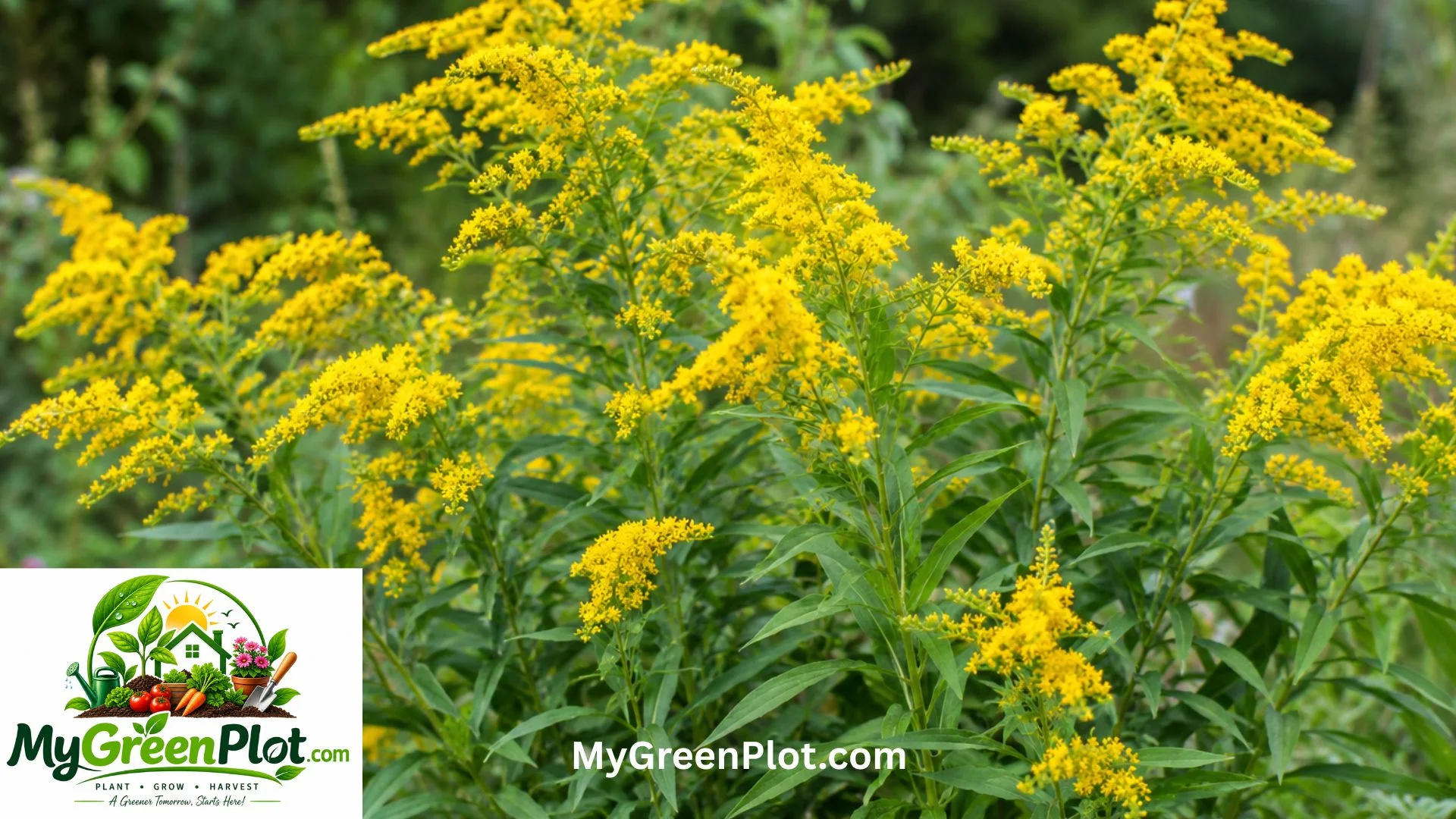
Goldenrod is one of the most recognizable late-summer and fall wildflowers, known for its bright yellow flower clusters and its importance to pollinators. However, several other plants can look remarkably similar, especially when they are growing in meadows, roadsides, fields, and woodland edges. Knowing the differences between goldenrod look alikes can make plant identification much easier and help gardeners and nature enthusiasts avoid confusing one species with another.
What Does Goldenrod Look Like?
Goldenrods belong primarily to the genus Solidago and are best known for their golden-yellow flowers that appear from late summer into fall. Depending on the species, plants may range from relatively short, compact forms to tall plants several feet high.
Typical goldenrod characteristics include:
- Clusters or plumes of small yellow flower heads
- Upright stems, often green or reddish
- Narrow, lance-shaped leaves
- Flowering mainly in late summer and autumn
- Growth in meadows, roadsides, open woodlands, and disturbed areas
Goldenrod is often blamed for causing seasonal allergies, but its pollen is relatively heavy and is mainly carried by insects. Wind-pollinated plants such as ragweed are a more common source of fall pollen allergies.
Why Are Goldenrod Look-Alikes Easy to Confuse?
Plant identification can be difficult because unrelated species may develop similar flower colors, shapes, and growth habits. Many plants bloom with yellow flowers during the same period as goldenrod, creating additional confusion.
The challenge is especially noticeable when plants are viewed from a distance. A large patch of yellow flowers may look like goldenrod even when several different species are present.
For accurate identification, look beyond flower color. Consider the plant’s:
- Leaf shape and arrangement
- Stem structure
- Flower-head shape
- Overall height
- Blooming season
- Habitat
- Number and arrangement of flower clusters
These characteristics provide much more reliable clues than color alone.
Common Goldenrod Look-Alikes
Several yellow-flowering plants are commonly mistaken for goldenrod. Some are native wildflowers, while others are introduced species or garden plants.
Common examples include ragweed, yellow coneflower, oxeye daisy, tansy, wingstem, and various fleabane species. Not all of these look equally similar, but their yellow flowers or overall appearance can lead to confusion.
When identifying a plant, it is important to examine the entire plant rather than relying on the appearance of its flower clusters alone.
Ragweed vs. Goldenrod
Ragweed is one of the most important plants to distinguish from goldenrod. The two commonly bloom during the same period, but they have very different flowers.
Goldenrod produces conspicuous yellow flower clusters that are attractive to bees, butterflies, and other insects. Ragweed, by contrast, produces much less noticeable greenish flowers.
The distinction matters because ragweed is a major source of airborne pollen associated with seasonal hay fever. Goldenrod’s showy flowers often receive the blame simply because they are visible at the same time.
When comparing the two, look for golden flower clusters and relatively showy blooms in goldenrod versus smaller, less conspicuous flowers in ragweed.
Yellow Coneflower and Other Similar Wildflowers
Yellow coneflowers can sometimes be confused with goldenrod because both produce yellow flowers and may occur in sunny natural areas. However, their flower structures are quite different.
Many yellow coneflowers have a prominent central cone surrounded by individual yellow petals. Goldenrod generally has numerous small flower heads arranged in branching clusters rather than large, daisy-like flowers with a central cone.
Other yellow wildflowers may also appear similar at first glance. Looking closely at whether the plant produces individual daisy-like flowers or dense sprays of tiny flower heads is a useful identification step.
Tansy, Wingstem, and Other Possible Confusions
Tansy can resemble goldenrod because it produces clusters of yellow flower heads and can grow in open areas. However, tansy’s flowers typically have a different button-like appearance, while its foliage is deeply divided and noticeably different from the narrow leaves of many goldenrods.
Wingstem is another plant that can create confusion. It can grow tall and produce yellow flowers, but its stems and leaves provide useful identifying features. Some wingstem species have distinctive wing-like structures along portions of their stems.
Other plants may resemble goldenrod from a distance, including certain fleabanes and yellow-flowering members of the daisy family. Careful examination of flower-head structure is therefore one of the most useful ways to narrow down an identification.
Read More:Mullein Look Alikes
How to Identify Goldenrod More Accurately
If you suspect that a plant is goldenrod, start by examining the flowers closely. Goldenrod flower heads are usually very small and occur in groups, often forming branched clusters, arches, or plumes.
Next, inspect the leaves. Their size, shape, margins, and placement along the stem can help distinguish one goldenrod species from another and separate goldenrod from unrelated plants.
The growing environment is another helpful clue. Goldenrods commonly occur in:
- Sunny meadows
- Roadsides
- Prairies
- Open fields
- Woodland margins
- Disturbed habitats
Because several species of goldenrod exist, identifying the exact species may require a regional field guide or botanical identification resource rather than relying on flower color alone.
Why Correct Identification Matters
Learning to recognize goldenrod look alikes is useful for gardeners, hikers, photographers, students, and anyone interested in native plants. Correct identification helps people understand which plants support pollinators, which species are invasive or problematic in a particular region, and which plants may have different ecological roles.
Goldenrods themselves are valuable late-season nectar sources for many insects. Their flowers can provide food for bees, butterflies, wasps, beetles, and other pollinators when relatively few plants are blooming.
At the same time, identifying look-alikes correctly prevents common misconceptions, particularly the belief that goldenrod is the primary cause of fall hay fever. Careful observation allows you to appreciate these plants while understanding their actual characteristics and ecological importance.
Frequently Asked Questions
1. What are the most common goldenrod look alikes?
Common plants that may be confused with goldenrod include ragweed, yellow coneflowers, tansy, wingstem, and some other yellow-flowering members of the daisy family. Their flower structure, leaves, stems, and growth habits can help distinguish them.
2. Is ragweed the same as goldenrod?
No. Ragweed and goldenrod are different plants. They can bloom during the same season, but goldenrod has prominent yellow flower clusters, while ragweed has much less conspicuous flowers.
3. Does goldenrod cause hay fever?
Goldenrod is often associated with fall allergies, but its pollen is relatively heavy and is primarily transported by insects. Wind-pollinated plants such as ragweed are more commonly associated with airborne seasonal allergy symptoms.
4. How can I tell goldenrod from a yellow coneflower?
Look at the flower structure. Goldenrod generally has many tiny yellow flower heads arranged in clusters, while yellow coneflowers typically have larger individual flowers with yellow petals surrounding a prominent central cone.
5. Can goldenrod look different depending on the species?
Yes. Goldenrod species can vary considerably in height, leaf shape, stem characteristics, and flower arrangement. Regional location and habitat can therefore be important when identifying a particular species.
Conclusion
Understanding goldenrod look alikes becomes much easier when you look beyond the bright yellow color. Flower arrangement, leaf shape, stems, plant height, habitat, and flowering season can all provide important identification clues. Ragweed, yellow coneflowers, tansy, wingstem, and other yellow-flowering plants may initially appear similar, but closer observation reveals significant differences.
By learning these distinguishing characteristics, you can identify goldenrod more confidently, appreciate its role in late-season ecosystems, and avoid confusing it with plants that merely share a similar appearance.
Read More:Pokeweed Look Alikes
