

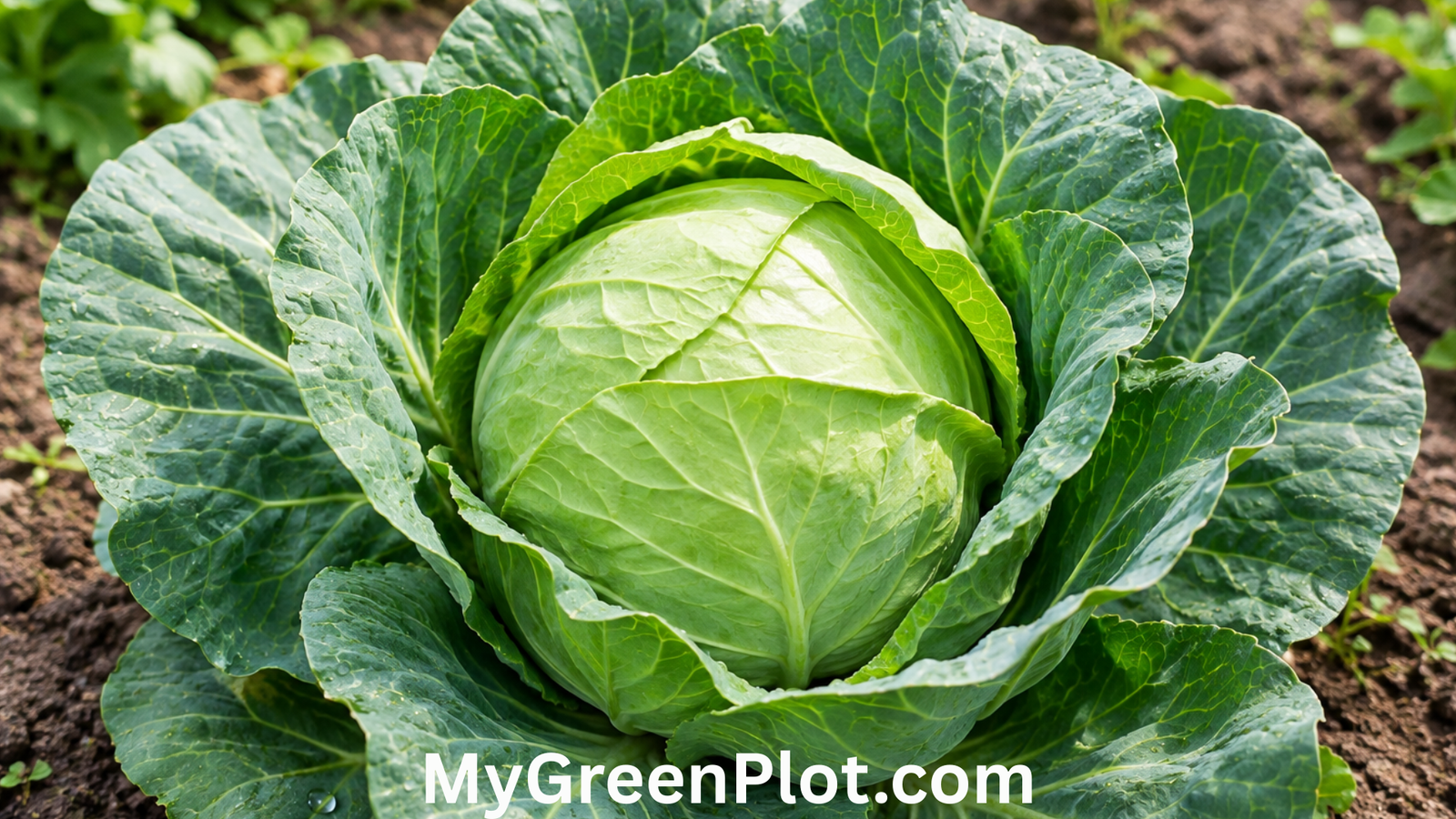
A cabbage shortage can affect grocery prices, household food budgets, farmers, and businesses that depend on fresh vegetables. Cabbage is a widely grown cool-season crop, but its production depends on suitable temperatures, consistent moisture, healthy soil, and reliable transportation. When unfavorable weather, pest outbreaks, crop diseases, or supply chain disruptions reduce the amount of cabbage reaching markets, prices can rise and fresh supplies may become harder to find.
Understanding what causes cabbage shortages helps consumers make informed shopping decisions and allows growers to prepare for changing conditions. The severity of a shortage also depends on the region, growing season, available imports, and the amount of cabbage stored or ready for harvest.
What Is a Cabbage Shortage?
A cabbage shortage occurs when the available supply of cabbage is insufficient to meet consumer demand. It may affect a small local market, a particular growing region, or a larger supply network.
Shortages do not always mean cabbage has disappeared from grocery stores. In many cases, shoppers can still find it, but prices increase, product quality varies, or fewer varieties are available.
Several factors determine whether a shortage develops. A poor harvest can reduce the amount of cabbage available from local farms, while strong demand can put additional pressure on an already limited supply. Transportation delays and problems with storage can also prevent harvested cabbage from reaching retailers on time.
A temporary shortage may last only a few days or weeks. More serious supply problems can continue throughout a growing season if weather damage, disease, or other production challenges affect multiple harvests.
Main Causes of Cabbage Shortages
Cabbage shortages usually result from a combination of agricultural and market conditions rather than a single problem.
Unfavorable weather: Cabbage grows best in relatively cool conditions. Excessive heat can interfere with head formation, reduce crop quality, and increase water requirements. Heavy rainfall and flooding can damage fields, while drought can restrict growth and reduce yields.
Pest infestations: Cabbage crops can be damaged by insects such as cabbage worms, diamondback moth larvae, and aphids. Severe infestations may destroy leaves, weaken plants, or make harvested heads unsuitable for sale.
Plant diseases: Diseases such as black rot and clubroot can reduce yields and damage crop quality. Infected plants may develop poorly, wilt, or become unmarketable. Disease problems can be especially difficult when contaminated soil or plant material allows pathogens to persist.
Higher production costs: Rising costs for fertilizer, irrigation, fuel, labor, and crop protection can make cabbage production more expensive. Some growers may reduce planting areas when production becomes less profitable.
Transportation and distribution problems: Harvested cabbage must be transported and handled carefully. Fuel shortages, road disruptions, inadequate refrigeration, and delayed deliveries can reduce the amount reaching markets in good condition.
When several of these factors occur together, the risk of a local or regional shortage becomes greater.
How Weather and Climate Affect Cabbage Production
Weather is one of the most important influences on cabbage availability because it affects planting, plant development, and harvest timing.
Cabbage is generally a cool-season vegetable. Many varieties grow well when temperatures remain moderate, although their precise temperature requirements depend on the cultivar and growing stage. Prolonged heat can cause loose heads, uneven growth, or reduced marketable yields.
Heavy rain creates different challenges. Waterlogged soil limits oxygen around the roots and can increase the risk of root diseases. Flooding may destroy young plants, wash away nutrients, and delay harvesting. If wet conditions persist, farmers may also struggle to enter fields with equipment.
Drought can slow leaf development and prevent cabbage heads from reaching their expected size. In areas where irrigation water is limited, a prolonged dry period may significantly reduce production.
Unpredictable seasonal weather can create additional problems by disrupting planting schedules. If crops mature earlier or later than expected, the usual supply of fresh cabbage may temporarily decline.
Growers can reduce some weather-related risks by choosing suitable varieties, improving drainage, maintaining soil moisture, and staggering planting dates when local conditions allow. These measures cannot eliminate extreme-weather damage, but they can help protect harvests.
How a Cabbage Shortage Affects Prices and Consumers
When cabbage supplies fall while demand remains steady, market prices often increase. However, the size and duration of a price rise depend on local production, imports, transportation costs, and the availability of alternative vegetables.
Consumers may notice several changes during a shortage:
- Higher prices: Retailers may pay more to obtain cabbage from farms or wholesale markets.
- Reduced availability: Popular sizes and good-quality heads may sell out quickly.
- Quality differences: Retailers may source cabbage from more distant growing regions, increasing transport time and handling requirements.
- Changes in shopping habits: Households may purchase smaller quantities or substitute other vegetables in their meals.
Restaurants, food vendors, caterers, and food processors can also face higher operating costs when cabbage becomes more expensive. Businesses that rely on cabbage for salads, cooked dishes, pickles, or fermented foods may need to adjust their menus or purchasing schedules.
A shortage does not automatically cause prices to rise everywhere. Some markets may have sufficient supplies from other regions, while others may experience more noticeable increases. Local wholesale prices and retail availability provide a clearer picture than general claims about a worldwide shortage.
How Farmers Can Reduce the Risk of Cabbage Shortages
Farmers cannot control the weather or every market disruption, but practical crop-management decisions can help maintain more reliable production.
Choose suitable cabbage varieties. Select varieties adapted to the local climate, planting season, and expected harvest period. Heat tolerance, maturity time, and resistance to common diseases can influence crop performance.
Improve soil health. Cabbage needs fertile, well-drained soil with adequate nutrients. Soil testing helps growers apply appropriate amounts of nitrogen, phosphorus, potassium, and other nutrients without unnecessary fertilizer use.
Manage irrigation carefully. Maintain consistent soil moisture, especially during active leaf growth and head development. Avoid excessive watering that leaves roots in saturated soil.
Monitor pests and diseases. Inspect crops regularly for insect damage, discoloration, wilting, and other warning signs. Crop rotation, sanitation, suitable resistant varieties, and integrated pest management can reduce losses.
Spread planting dates. Where the climate and farming system permit, planting at different times can reduce the risk of losing an entire crop to one weather event. It can also distribute harvests across a longer period.
Improve post-harvest handling. Harvest cabbage at the appropriate maturity, avoid unnecessary bruising, and keep harvested heads cool. Proper handling and suitable storage conditions help preserve quality and reduce waste.
These measures are most effective when adapted to local growing conditions. A strategy that works in a cool climate may require adjustments in a hot region with limited irrigation.
Where Cabbage Supplies Come From During a Shortage
When local cabbage production declines, wholesalers and retailers may look for supplies from other growing regions. The ability to do this depends on transportation infrastructure, trade arrangements, product quality, and the timing of harvests.
In many agricultural markets, cabbage production shifts between regions as seasons change. Cooler areas may supply cabbage during periods when warmer regions face difficult growing conditions. Imports can also help fill gaps when domestic production is insufficient.
However, alternative supplies are not always immediately available. Neighboring regions may experience similar weather, and long-distance transportation adds costs. Fresh produce can also deteriorate if handling and storage conditions are unsuitable.
Market information is therefore important during a shortage. Farmers can use wholesale prices and buyer demand to plan future plantings, while retailers can compare suppliers and adjust orders. Consumers can check several local markets rather than assuming that every area faces the same supply problem.
For anyone tracking a reported cabbage shortage, the most useful evidence includes recent market prices, harvest reports, agricultural department updates, and information about imports or distribution disruptions.
Practical Ways to Cope With a Cabbage Shortage
Consumers can make a cabbage shortage easier to manage without sacrificing the nutritional value or variety of their meals.
Compare local prices. Check different vegetable sellers and wholesale markets when possible. Prices can vary significantly between retailers, especially when supplies are uneven.
Buy an appropriate quantity. Purchase enough cabbage for expected use rather than buying excessive amounts during a period of uncertainty. This helps reduce spoilage and wasted food.
Store cabbage correctly. Keep whole, unwashed cabbage in the refrigerator’s crisper drawer, ideally in a perforated bag or another arrangement that limits moisture loss while allowing some airflow. Avoid storing cut cabbage for long periods, and refrigerate cut portions promptly.
Use suitable substitutes. Depending on the recipe, broccoli, cauliflower, kale, bok choy, or other leafy vegetables can replace some of cabbage’s role in meals. The best alternative depends on flavor, texture, availability, and price.
Consider growing cabbage at home. Gardeners with suitable space and seasonal conditions can grow cabbage in garden beds or sufficiently large containers. Choose a variety suited to the local climate and provide adequate sunlight, water, nutrients, and pest protection.
Home growing is not an immediate solution to a current shortage because cabbage needs time to mature. Nevertheless, it can provide a useful source of fresh vegetables for future harvests.
Is a Cabbage Shortage Likely to Continue?
The duration of a cabbage shortage depends on its underlying cause. If the problem results from a brief transportation disruption or a temporary gap between harvests, supplies may improve relatively quickly. If severe weather, disease, or water shortages damage crops across a large production region, recovery may take longer.
Farmers need time to plant replacement crops, and cabbage cannot be harvested immediately after new seeds are sown. The exact recovery period depends on the variety, growing temperature, and cultivation method.
Several indicators can help explain whether supply conditions are improving:
- Wholesale cabbage prices are stabilizing or declining.
- More cabbage is arriving at local markets.
- Farmers report improved crop conditions and upcoming harvests.
- Transportation and distribution delays are easing.
- Agricultural agencies report better production or increased market supplies.
It is important to distinguish a confirmed regional shortage from a general prediction. Without recent local market data, it is not possible to establish that a cabbage shortage is happening everywhere or to predict precisely when prices will return to normal.
Consumers and growers should rely on current regional information rather than assuming that a shortage in one location reflects conditions across an entire country.
Frequently Asked Questions
1. What causes a cabbage shortage?
A cabbage shortage can result from extreme weather, drought, flooding, pest infestations, plant diseases, rising production costs, transportation problems, or unusually strong demand. Several factors may combine to reduce the amount available in markets.
2. Why does cabbage become expensive during a shortage?
Cabbage prices often increase when available supplies decline but consumer demand remains steady. Retailers and wholesalers may need to source vegetables from more distant regions, which can increase transportation and handling costs.
3. How long does a cabbage shortage last?
There is no fixed duration. A temporary distribution problem may be resolved within days or weeks, while severe crop losses can affect supplies for an entire growing season. Recovery depends on the cause, location, and timing of the next harvest.
4. What vegetables can replace cabbage during a shortage?
Broccoli, cauliflower, kale, bok choy, and other leafy greens can replace cabbage in many meals. The most suitable substitute depends on the recipe and the availability and price of other vegetables in your area.
5. Can farmers prevent cabbage shortages?
Farmers cannot prevent every shortage, but they can reduce production risks by selecting suitable varieties, improving soil drainage, managing irrigation, controlling pests and diseases, staggering planting dates, and handling harvested cabbage properly.
Conclusion
A cabbage shortage can affect food prices, household budgets, farmers, retailers, and food businesses. Weather extremes, pests, diseases, rising production costs, and distribution problems can all contribute to reduced supplies.
The best response depends on the cause of the shortage. Farmers can strengthen crop management and reduce avoidable losses, while retailers can explore alternative suppliers and consumers can compare prices, store cabbage correctly, and use suitable vegetable substitutes.
Most importantly, cabbage shortages should be evaluated using local market information and current agricultural reports. Understanding regional growing seasons and supply conditions makes it easier to separate temporary price changes from more serious production problems and prepare for future disruptions.

1 Comment
Pingback: Pumpkin Shortage: Causes, Canned Pumpkin Supply, and What to Expect in 2026 - mygreenplot.com