

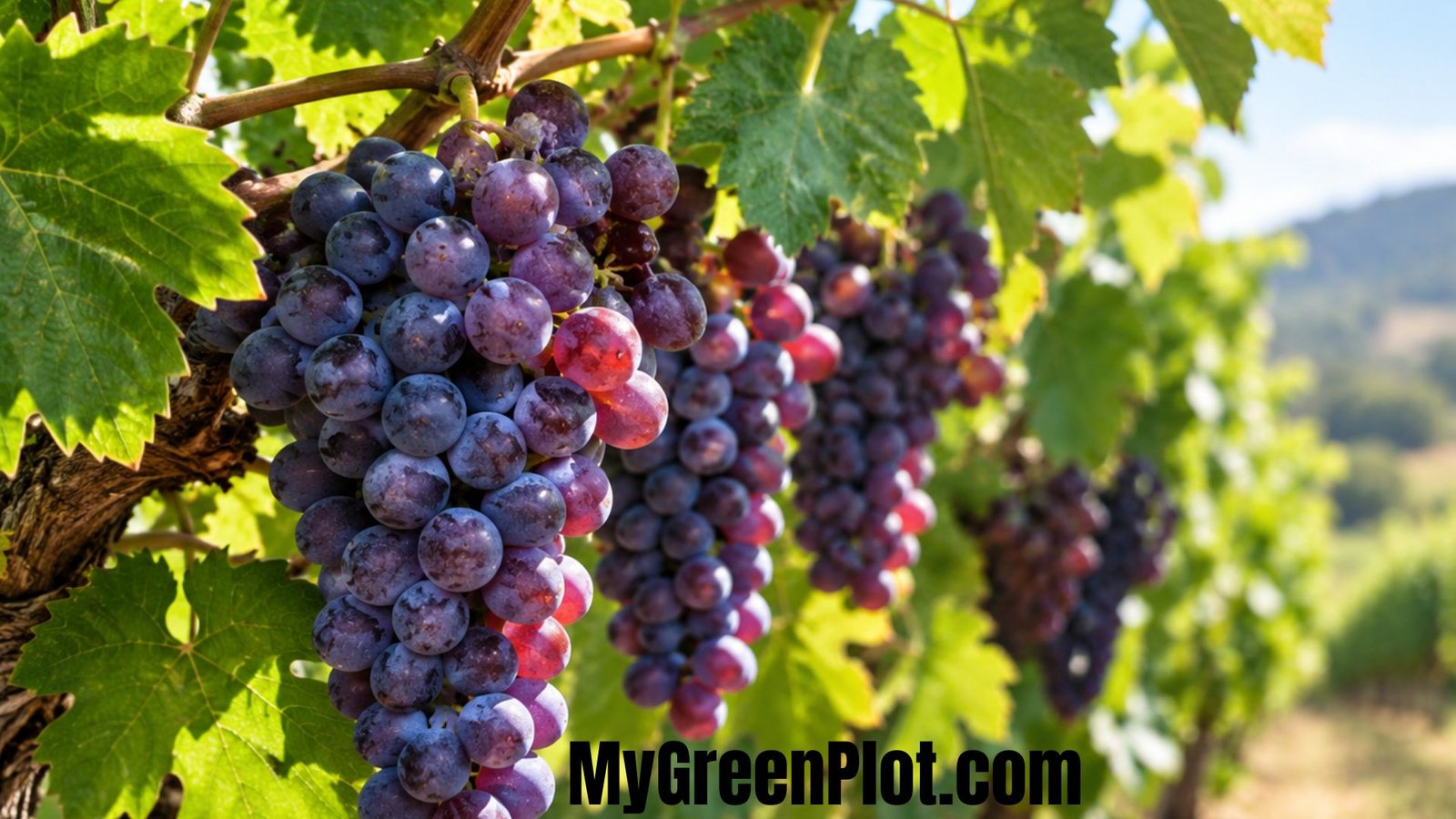
There is no single worldwide grape shortage in 2026, but several important grape-producing regions are experiencing supply problems. Global fresh table-grape production is forecast at about 30.0 million metric tons for 2025/26, while Turkey alone is expected to lose about 455,000 tons of production because of spring frost.
That means the phrase “grapes shortage” needs some context. You may find grapes unusually expensive or difficult to buy in one country while another country has a normal or even increasing crop.
The biggest factors right now are weather damage, harvest timing, export disruptions, and problems moving grapes from producing regions to consumers.
Is there really a global grape shortage?
Global table-grape production is not currently collapsing, although individual countries are experiencing substantial crop losses.
The USDA forecasts 30.0 million metric tons of fresh table grapes for the 2025/26 season, an increase of about 545,000 tons from the previous forecast. China accounts for a major share of that supply, with production forecast at approximately 15.0 million tons.
That makes it misleading to describe the current situation as a worldwide grape shortage. The global supply remains large, but the supply available to a particular country, retailer, or grape variety can become tight.
China’s expanding production is one reason the global total remains strong. At the same time, lower production in Turkey, the United States, and Chile can still affect international trade during specific parts of the year.
So if grapes have suddenly become expensive where you live, look at the source country and current harvest season before assuming there is a worldwide shortage.
What is causing the grape shortage?
Weather is one of the fastest ways to reduce grape supply because a vineyard can lose a large portion of its crop from a single damaging event.
Turkey is a strong example. The USDA expects Turkish fresh table-grape production to fall to about 1.5 million tons, a decline of roughly 455,000 tons, after spring frost damaged vineyards.
Frost is particularly damaging when vines have already begun active spring growth. Newly developing shoots, flowers, and fruit are much more vulnerable to freezing temperatures than dormant winter vines.
Excessive rain can create a different problem. Prolonged wet conditions can interfere with flowering, fruit development, harvesting, and disease management, leaving growers with fewer grapes that meet export-quality specifications.
Drought and extreme heat can reduce berry size and overall yields as vines struggle with water stress. In regions where irrigation depends heavily on groundwater, declining water supplies can become a long-term production problem rather than a single-season event.
The result is that a grape shortage does not always mean the vines stopped producing fruit. Sometimes there are grapes in the vineyard, but far fewer reach the quality, size, appearance, or quantity required by commercial buyers.
Which countries are experiencing grape supply problems?
Grape shortages are highly regional, with India, Turkey, Pakistan, and several wine-producing countries facing different production or distribution challenges.
India
India’s table-grape industry has experienced a difficult export season, particularly around Nashik, one of the country’s major grape-growing regions.
The 2025/26 season was affected by heavy and prolonged rainfall, which reduced yields in important varieties including Thompson Seedless. The European export season was delayed by roughly four weeks, creating a period when buyers had less Indian fruit available.
Lower yields can increase prices even when the country still produces hundreds of thousands of tons of grapes. Exporters may need grapes from more farms to fill the same shipping container when each vineyard produces less marketable fruit.
Turkey
Turkey’s grape problem is more directly connected to frost.
The country’s table-grape production is projected at approximately 1.5 million tons, about 455,000 tons lower than the previous level because spring frost damaged vineyards.
Turkey is important to international grape markets because its fruit is exported during particular seasonal windows. When a major exporting country loses part of its crop, buyers may have to wait for another producing region to enter its harvest period.
Read More : Lemon Shortage
Pakistan
Pakistan’s grape supply faces a different set of pressures, particularly in Balochistan.
Pakistan produces approximately 88,000 tons of grapes annually, and Balochistan contributes roughly 70–80% of the country’s production. Heat, drought, and declining groundwater availability are putting additional pressure on vineyards in the province.
This is a useful example of why a global grape-production figure does not tell you what is happening in an individual country. Pakistan can experience tight local supply even while worldwide production remains high.
Read More : Celery Shortage
Afghanistan
Afghanistan’s grape market demonstrates how trade disruptions can create a shortage in one market without destroying the crop itself.
In 2026, disruptions along the Pakistan-Afghanistan trade route restricted access to an important export market. Farmers who could not move fresh grapes across the border had to find alternative buyers or process more of their fruit into raisins.
In this situation, the problem was not simply how many grapes were grown. The problem was where the grapes could go.
Why can grapes be scarce when global production is increasing?
Grapes can be scarce in a local market because grapes are harvested at different times and shipped through specific trade routes.
The USDA forecasts global table-grape exports at approximately 4.2 million tons for 2025/26. Higher exports from some producing countries can compensate for lower exports elsewhere, but that adjustment does not happen instantly.
For example, a European importer cannot replace a delayed Indian shipment overnight with fruit from another country. The replacement grapes need to be harvested, packed, inspected, transported, and cleared through the necessary supply chain.
Variety also matters. A retailer looking for Thompson Seedless cannot always substitute another grape simply because it is available. Berry size, color, seedlessness, sweetness, shelf life, and customer demand all influence which grapes buyers accept.
This is why a local supermarket can have noticeably fewer grapes even when the global production number looks healthy.
Are wine grapes also experiencing a shortage?
Wine grapes are facing significant production problems in several countries, but wine-grape shortages should not be confused with shortages of fresh eating grapes.
Australia’s 2026 wine-grape crush was estimated at about 1.27 million tons, approximately 25% below its 10-year average. The decline reflects a combination of vineyard conditions and a difficult global wine market.
France is also dealing with a smaller wine harvest. Its 2026 wine production forecast is around 34.9 million hectolitres, approximately 14% below the 2021–25 average.
These figures matter to wineries and wine markets, but they do not mean supermarkets are running out of table grapes. Wine grapes and table grapes are grown, marketed, and used differently, with different varieties and production decisions.
A shortage of wine grapes can therefore exist alongside a healthy supply of fresh seedless grapes.
Will the grape shortage make grapes more expensive?
A regional grape shortage can push prices higher when buyers compete for a smaller amount of marketable fruit.
India provides a clear example. When heavy rainfall reduced yields and delayed the export season, early-season grapes became substantially more expensive because exporters had less fruit available to satisfy existing orders.
The opposite can also happen when trade disruptions prevent growers from reaching an important market. If large quantities of grapes remain in a producing region while export channels are blocked, local prices can fall even though consumers somewhere else are paying more.
That is why grape prices are controlled by more than production alone. Harvest timing, export demand, transportation, border access, storage, variety, and fruit quality can all change the price you see at the market.
For consumers, the most accurate way to describe the current situation is not “the world has run out of grapes.” It is that specific grape markets are experiencing temporary or regional supply shortages while global table-grape production remains substantial.
Sources: USDA Foreign Agricultural Service | International Organisation of Vine and Wine (OIV) | Fruitnet | Wine Australia | Reuters

1 Comment
Pingback: Apples Shortage in 2026: Causes, Prices, and When Supply Could Improve - mygreenplot.com