

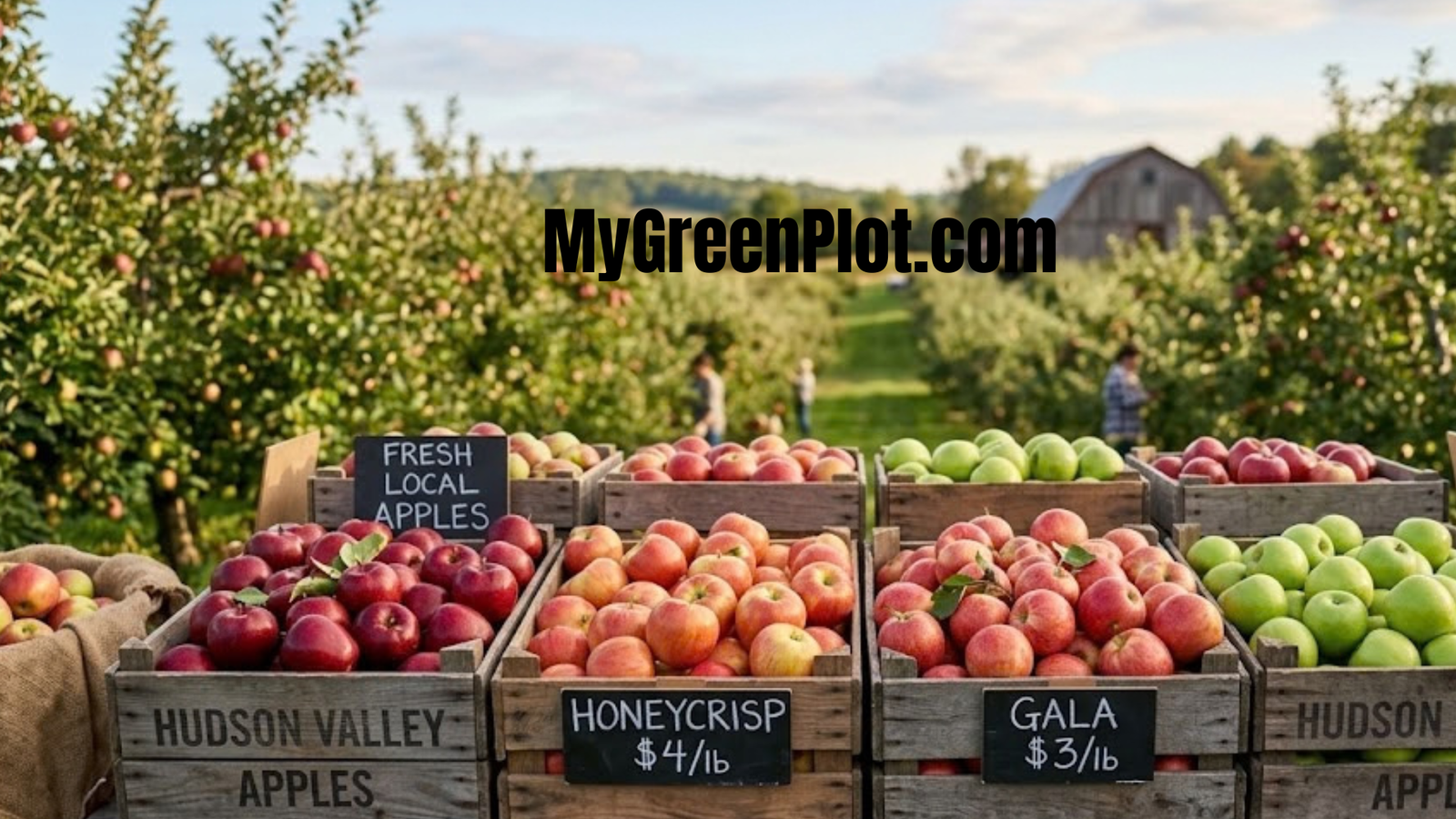
The apples shortage in 2026 is linked to smaller harvests in several major producing regions, severe spring frost in Turkey, and weather-related crop damage in parts of the United States. The USDA Foreign Agricultural Service forecast global fresh apple production at 81.7 million metric tons for the 2025/26 season, a 5% decline from the previous year. In the United States, the 2026 apple crop is also expected to be smaller than the 2025 harvest.
However, this does not mean apples have disappeared from every market. The impact depends on the country, growing region, apple variety, and amount of fruit held in commercial storage. Understanding these differences helps explain why one supermarket may have plenty of Gala apples while another charges more for Honeycrisp or carries fewer imported varieties.
Is the Apple Shortage Affecting Every Country?
The 2026 apple shortage is uneven because individual countries are experiencing different production trends. USDA forecasts for the 2025/26 season show substantial declines in China and Turkey, while U.S. production was initially expected to increase before subsequent weather damage affected the 2026 American crop.
China remains the dominant apple-producing country, with forecast production of 47 million metric tons for 2025/26. Turkey’s production was projected at just 2 million metric tons, a 57% decrease following severe spring frost. These figures illustrate how losses in major producing countries can reduce the amount of fruit available for export.
For American shoppers, the situation is more complicated. The USDA’s September 2026 outlook estimated U.S. apple production at approximately 10.4 billion pounds, down 665 million pounds from 2025. That decline may tighten domestic supplies, particularly in eastern growing regions.
The difference between global production and local availability matters. A country that imports substantial quantities of Turkish apples may face a different supply problem from one that relies mainly on domestic orchards. Even within the same country, regional distribution networks can produce noticeable differences in supermarket stock.
How Did Weather Damage Reduce Apple Production?
Spring frost damages apple crops when freezing temperatures strike vulnerable blossoms or developing fruit. Apple trees can tolerate winter cold, but flowers that emerge during spring are considerably more sensitive to sudden temperature drops.
Turkey experienced severe spring frost that reduced its projected 2025/26 apple production to 2 million metric tons. The USDA also forecast Turkish apple exports at only 65,000 metric tons, a substantial reduction from earlier seasons.
In the United States, a late-April 2026 freeze damaged apple orchards across Maryland, Michigan, New York, Pennsylvania, Virginia, and West Virginia. The USDA subsequently introduced additional crop-insurance flexibility for affected growers.
The amount of damage depends on several factors, including the temperature reached, how long freezing conditions persist, and the developmental stage of the blossoms. A brief freeze may injure only part of an orchard, while prolonged freezing during flowering can destroy a much larger share of the potential harvest.
Weather damage also affects apple quality. Some surviving fruit may develop blemishes or deformities that make it unsuitable for premium fresh-market sales, even when it remains usable for juice, sauces, or other processed products.
Read More : Grapes Shortage
Read More : Strawberry Shortage
Why Are Gala, Honeycrisp, and Fuji Apples Affected Differently?
Apple varieties experience different supply conditions because their production regions, harvest schedules, storage characteristics, and market demand are not identical.
Gala apples are among the most widely grown varieties in the United States. Their broad availability gives retailers more opportunities to source them, although local harvest losses can still affect prices and stock.
Honeycrisp apples often cost more than conventional varieties because they require careful growing, harvesting, and handling to maintain their quality. A higher shelf price does not necessarily indicate a shortage; production costs and consumer demand also influence the price.
Granny Smith apples are known for their tart flavor and firm flesh. They are popular for baking, but their availability depends on the growing regions and distribution channels supplying each market.
Fuji apples have firm flesh and can retain quality during extended commercial storage. Stored Fuji apples may remain available after the main harvest has ended, depending on the quantity harvested and the storage conditions.
Pink Lady apples occupy a premium segment in many markets. Their availability can depend on the timing of harvest, the origin of the fruit, and the retailer’s purchasing arrangements.
For consumers, a shortage of one variety does not automatically justify paying more for every apple. If Honeycrisp prices rise sharply, comparing Gala, Fuji, and locally available alternatives can help reduce grocery costs without sacrificing freshness.
Will the Apple Shortage Increase Grocery Prices?
A smaller apple harvest can increase prices when demand exceeds the available supply, but the size of the increase depends on local inventories, imports, transportation costs, and retailer purchasing decisions.
The USDA’s September 2026 estimate of approximately 10.4 billion pounds for the U.S. apple crop indicates a tighter domestic supply than in 2025. However, a production decline alone cannot establish an exact percentage increase in supermarket prices.
Three market conditions are particularly important.
First, regional crop losses affect retailers differently. Stores sourcing fruit from heavily affected eastern U.S. orchards may face different purchasing costs from stores supplied primarily by Washington growers.
Second, international trade can help compensate for local production losses. When imports from Turkey decline, buyers may seek apples from other producing countries, although shipping expenses, import regulations, and competing demand can limit those alternatives.
Third, commercial cold storage allows apples to remain available after harvesting. Controlled-atmosphere facilities regulate temperature and atmospheric gases to slow ripening and preserve fruit quality. Stored inventory can soften the immediate effect of a poor harvest, but it cannot replace an unlimited quantity of missing fruit.
Consumers should compare the price per pound or kilogram rather than relying on the price of a bag or individual apple. This makes it easier to identify genuine savings when retailers change package sizes or offer different varieties.
When Will Apple Supplies Return to Normal?
Apple supplies generally improve when the next harvest produces enough marketable fruit to replenish inventories, but recovery dates vary by country and variety.
In the United States, many apple varieties are harvested from late summer through autumn, with exact dates depending on the cultivar and growing region. Washington’s large commercial crop plays an important role in the national market, while eastern states contribute regional varieties and supplies.
Cold storage can extend availability for several months after harvest. However, inventories gradually decline as apples are sold, and fruit quality can deteriorate over time even under carefully controlled conditions.
The 2026 freeze damage in the eastern United States cannot be reversed during the same growing season. Apple trees must complete their annual growth cycle before producing another substantial crop, so the next opportunity to replace lost fruit depends on successful flowering, pollination, fruit development, and harvesting.
International markets may recover on a different schedule. Turkey’s reduced 2025/26 production affects the fruit available from that season, while the next Turkish harvest depends on weather and orchard conditions in the following growing cycle.
For shoppers, this means there is no single worldwide date when the apples shortage will end. Availability can improve in one market while prices remain elevated elsewhere.
What Should You Buy When Apples Are Expensive?
Choosing a substitute based on how you plan to use the fruit is often more economical than insisting on a particular variety.
-
For everyday snacks: Compare Gala and Fuji apples with other locally available sweet varieties.
-
For baking: Granny Smith apples offer a tart flavor and firm texture, while a mixture of tart and sweet apples can balance the flavor of pies and crumbles.
-
For lunchboxes: Choose firm apples without deep cuts, leaking areas, or extensive bruising.
-
For longer storage: Refrigerate sound apples at approximately 32–40°F (0–4°C) in a suitable crisper drawer or perforated bag.
-
For reducing food waste: Use slightly blemished apples in cooked dishes if the flesh remains sound and there are no signs of mold or decay.
Refrigeration slows the softening of apples and helps preserve their texture. Check stored fruit regularly and remove decaying apples promptly to reduce the risk of spoilage spreading to neighboring fruit.
You can also ask your local retailer when the next shipment is expected and whether another variety is available at a lower price. In markets affected by regional crop losses, a change in supplier or country of origin can restore variety selection even when local production remains below normal.

2 Comments
Pingback: Pears Shortage in 2026: Why Pears Are Harder to Find and What Happens Next - mygreenplot.com
Pingback: Banana Shortage 2026: Causes, Price Increases, and When Supplies May Return - mygreenplot.com