

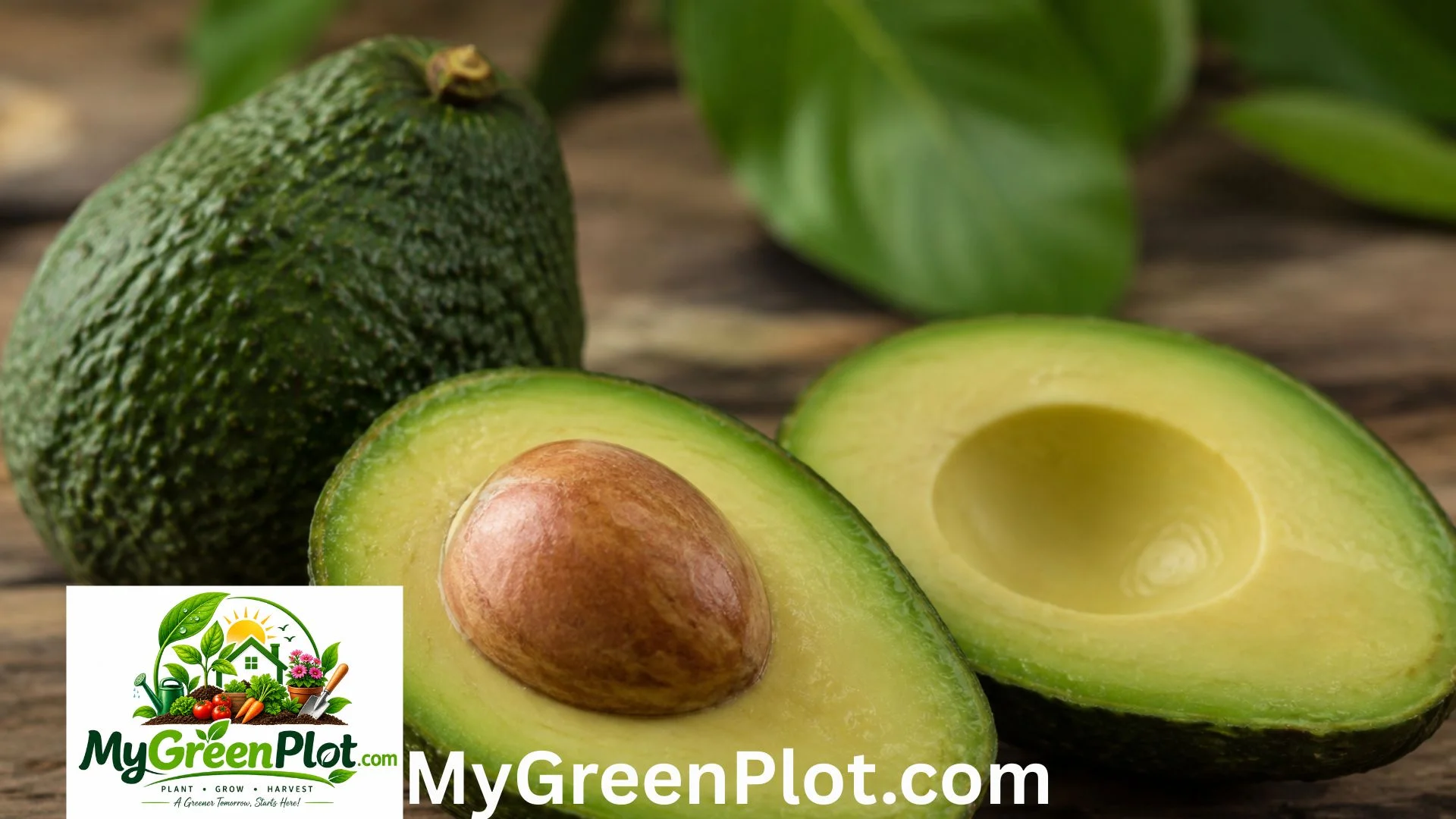
An avocado shortage can occur when harvests fall or imports are disrupted, but higher avocado prices alone do not prove that the United States has run out of avocados. The U.S. fresh market relies heavily on imported fruit, particularly Hass avocados from Mexico, while California supplies a smaller domestic crop.
Avocados are also unusually slow to replace. A grafted avocado tree can take roughly 3–4 years to begin producing meaningful fruit, and a mature tree can continue producing for decades under suitable conditions.
That long production cycle makes avocado supply much less flexible than fast-growing vegetables.
Is there really an avocado shortage?
A true avocado shortage means that available supply is insufficient to meet demand across a significant part of the market, rather than one grocery store temporarily having fewer fruit.
For Hass avocados, which dominate the U.S. fresh market, availability can change because of harvest timing, weather, imports, transportation, or fruit quality.
You might see smaller displays or higher prices without there being a nationwide shortage. A retailer may simply have received a smaller shipment that week.
The stronger signs of a genuine supply squeeze are broader: multiple retailers have reduced availability, wholesale prices increase, import volumes fall, and producers report smaller harvests at the same time.
Why can avocado prices rise when avocados are still available?
Avocado prices can rise when the amount of marketable fruit falls faster than consumer demand.
A supermarket does not need to have an empty produce section for prices to increase. If wholesalers receive fewer cartons of Hass avocados, they compete for the remaining fruit, which can increase wholesale costs before the fruit reaches the store.
Transportation adds another variable. Avocados travel long distances from producing regions to U.S. distribution centers, so fuel costs, trucking delays, border disruptions, and refrigeration problems can increase the cost of moving fruit.
Fruit quality matters as well. A shipment containing a high percentage of damaged or immature avocados provides fewer sellable fruits, effectively tightening the usable supply.
Why does the United States depend so much on imported avocados?
Imported avocados are essential to the U.S. market because domestic production cannot supply the country’s year-round demand.
Mexico is the dominant source of avocados for American consumers, with Mexican Hass fruit entering the U.S. market throughout much of the year.
California also produces commercial avocados, but its production is much smaller relative to the amount of fruit consumed nationally.
This import dependence creates an important difference between avocados and many vegetables. A problem in a major producing country can affect U.S. availability even when American avocado orchards are producing normally.
Can weather cause an avocado shortage?
Weather can reduce avocado production when it damages flowers, young fruit, mature trees, or the water supply needed for the crop.
Avocado trees are particularly sensitive to freezing conditions because they are subtropical plants. Prolonged temperatures around or below 32°F can damage leaves and tender growth, while more severe freezes can injure branches and young trees.
Heat creates a different problem. Extremely hot conditions can increase water demand and stress the tree, particularly when drought has already reduced available irrigation water.
Heavy storms can also interfere with harvesting and transportation even when the trees themselves survive.
One bad weather event does not always create a national shortage, but simultaneous problems in important producing regions can tighten the overall supply.
How does drought affect avocado production?
Drought can reduce avocado production by limiting the water available to trees during flowering, fruit development, and periods of high summer heat.
A mature Hass avocado tree has a large canopy and can require substantial water, particularly in hot, dry climates. When irrigation is restricted, growers may have to reduce watering or accept smaller yields.
Long-term drought can also affect decisions about orchard replacement. If producing fruit becomes uneconomical because irrigation water is too expensive or scarce, growers may remove trees or plant less water-demanding crops.
That can affect supply beyond a single growing season because replacing an avocado orchard is not a quick process.
Why can’t farmers simply grow more avocados?
Avocado production cannot respond immediately to higher prices because a new avocado orchard takes years to become productive.
A grafted Hass avocado tree commonly needs about 3–4 years before it begins producing fruit, and production generally increases as the tree matures.
That is very different from crops such as radishes or arugula. A gardener can sow arugula and harvest baby leaves within weeks, but an avocado grower cannot plant a new tree in response to today’s shortage and expect a commercial crop next season.
The long juvenile period creates a built-in delay between planting decisions and additional market supply.
How long does it take an avocado to develop?
An avocado can remain on the tree for many months before it reaches harvest maturity, with fruit development commonly taking roughly 8–12 months, depending on variety and growing conditions.
Hass avocados are unusual because the fruit can remain on the tree for an extended period after reaching physiological maturity. This allows growers to spread harvests over time rather than picking the entire crop on one day.
The fruit also does not become fully soft while hanging on the tree in the same way it does after harvest.
That is why a firm avocado at the grocery store is not necessarily unripe in the sense of being immature. It may have been harvested at the correct maturity and simply needs time to soften.
Why can one avocado be perfect while another is still hard?
Different avocados can ripen at different speeds because harvest maturity, storage temperature, fruit size, and handling conditions are not identical.
A Hass avocado typically changes from green to very dark green or nearly black as it ripens, although color alone is not a perfect indicator.
A firm avocado usually needs several days at room temperature to soften. Refrigeration slows the process, which is useful if you want to delay eating fruit that is already close to ripe.
If you squeeze an avocado aggressively to test it, you can bruise the flesh beneath the skin. A better test is gentle pressure with your fingertips.
Why is Hass the main avocado in U.S. stores?
Hass is the dominant commercial avocado variety in the United States because its fruit has useful eating quality, a relatively thick skin, and good handling characteristics.
The thick, pebbled skin helps protect the flesh during harvesting and transportation compared with some thinner-skinned avocado varieties.
Hass also has a familiar flavor and creamy texture that consumers recognize.
Other varieties exist, including Fuerte, Zutano, Bacon, and Pinkerton, but they occupy much smaller portions of the U.S. market.
So when people talk about an “avocado shortage,” they are usually talking primarily about the availability and price of Hass-type commercial fruit.
Can California avocados replace imported fruit?
California can supply part of the U.S. avocado market, but its harvest cannot simply replace the enormous volume of imported fruit.
California’s avocado industry is concentrated in regions with suitable mild climates, particularly coastal and southern areas where freezing temperatures are relatively uncommon.
The state also faces water and land constraints that limit how much avocado acreage can expand.
California avocados therefore provide an important domestic supply, but American shoppers still depend heavily on international production for consistent year-round availability.
Why doesn’t an avocado shortage last forever?
Avocado supply can recover when weather improves, new harvests arrive, and imports increase, but recovery is slower when the underlying problem involves damaged mature trees or lost orchard acreage.
A temporary harvest disruption can be followed by another production window because established Hass avocado trees can continue producing for many years.
A destroyed orchard is different. Replacing mature trees can require several years before the new planting produces commercially meaningful quantities.
That difference explains why some avocado shortages are short-lived while others can affect prices for much longer.
How can you tell if avocados are actually becoming scarce?
The most useful signal is a combination of availability, price, and supply information, not the appearance of one empty grocery-store display.
Check several retailers and compare the number of avocado varieties, fruit size, package prices, and country of origin. If Mexican Hass avocados are widely available at one store while another store has none, the difference may be inventory rather than a national shortage.
Farmers markets can also provide a different picture because locally grown California avocados may enter the market through a shorter supply chain.
For home growers, the situation is different again. Planting a grafted avocado tree can eventually provide fruit, but expecting a newly planted tree to solve next year’s shortage is unrealistic because commercial production commonly takes 3–4 years to begin.
Sources: University of California Agriculture and Natural Resources | USDA | University of Florida IFAS Extension
Read More: Arugula Shortage
