

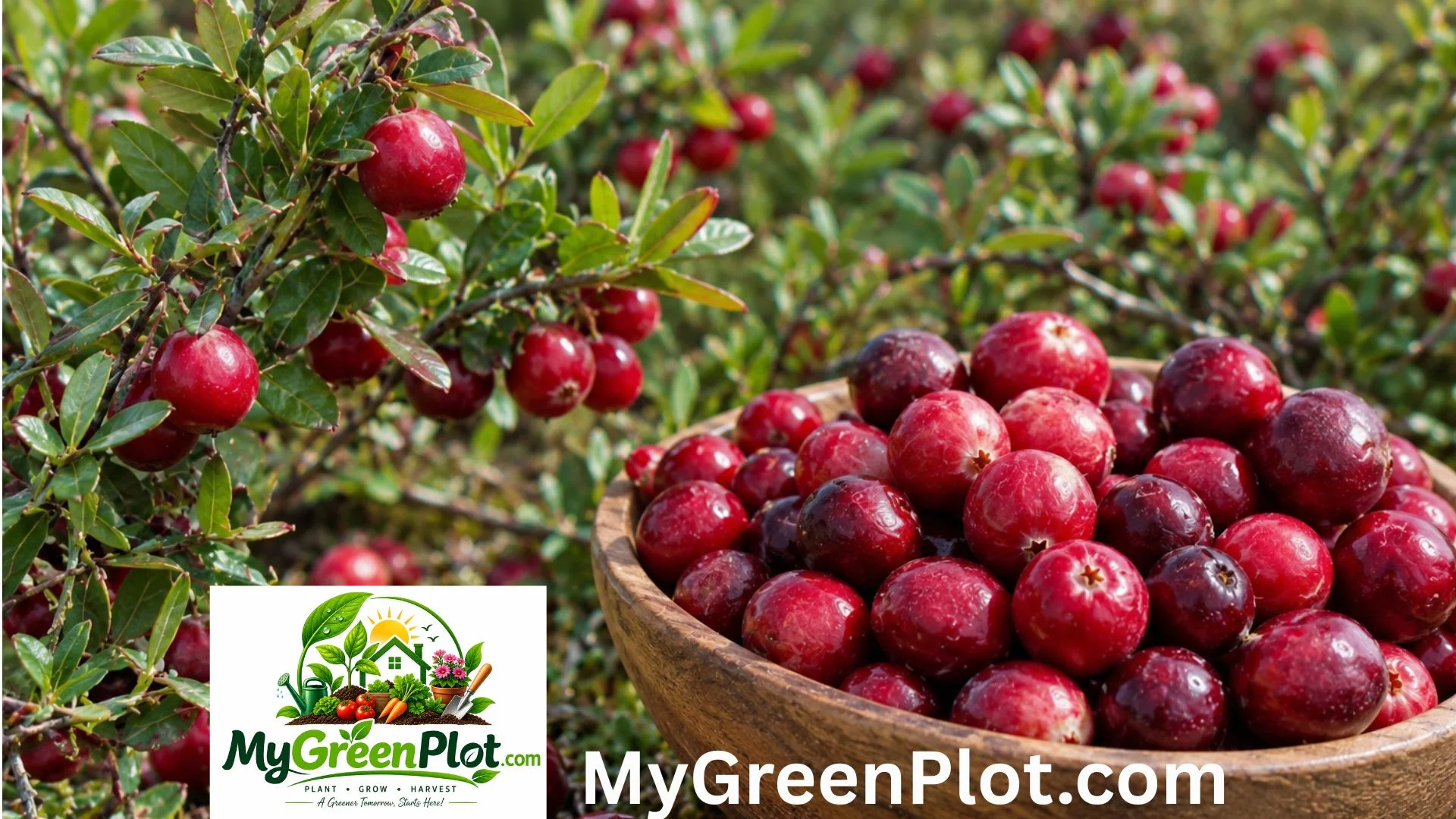
A cranberry shortage does not necessarily mean that cranberries have disappeared from stores or that the entire U.S. crop has failed. Cranberries are a highly seasonal crop, with the main North American harvest generally occurring from September through November, while frozen, dried, juice, and sauce products can remain available for many months after harvest.
For shoppers, the bigger question is what kind of shortage they are seeing. A smaller harvest can reduce supplies and push prices higher, but a temporary shortage of fresh cranberries can also happen simply because fresh fruit has a short retail window. The cranberry industry is also concentrated in a handful of producing states, so weather problems in one major region can have a noticeable effect on supply.
Is there actually a cranberry shortage?
A cranberry shortage is best understood by comparing available production with demand rather than judging supply from one empty grocery shelf.
The USDA tracks cranberry production in the United States, where commercial growing is concentrated in states such as Wisconsin, Massachusetts, New Jersey, Oregon, and Washington. Wisconsin is particularly important because it has become the country’s largest cranberry-producing state, with production measured in millions of barrels in strong crop years.
That concentration matters. Cranberries are not grown commercially across every agricultural region of the country, so a problem in a major production area can have a larger effect than the same weather event affecting a widely distributed crop such as apples.
There is also a difference between a national shortage and a retail shortage. If fresh cranberries are difficult to find in March, for example, that does not automatically indicate that cranberry production collapsed. Fresh cranberries are strongly tied to the fall harvest and holiday market, while frozen cranberries can remain available well beyond the fresh season.
Why can cranberry production fall?
Cranberry production can fall when weather damages flowers, fruit, vines, or the conditions needed to maintain productive cranberry beds.
Cranberry plants, Vaccinium macrocarpon, are perennial vines that grow in specialized beds rather than ordinary vegetable-garden soil. Commercial cranberry production depends heavily on water management, suitable soil conditions, pollination, and temperatures that allow the plants to complete flowering and fruit development.
Spring weather can be especially important because cranberry flowers need successful pollination before berries develop. A damaging freeze during a sensitive stage can reduce the number of flowers that become fruit.
Excessive heat can create another problem. Cranberry vines are adapted to cooler growing conditions, and prolonged periods of extreme heat can increase plant stress and water demand.
Drought creates a different type of pressure. Cranberry growers use water for several purposes throughout the production cycle, including irrigation and harvest-related operations, so inadequate water supplies can complicate production even when the vines themselves survive.
How does weather affect the cranberry crop?
Weather can change cranberry yields because the crop passes through several stages between spring flowering and fall harvest.
A cranberry bed may spend much of the year looking relatively quiet, but the crop’s most important reproductive period occurs months before consumers see berries in supermarkets. Pollination during flowering determines how many berries can develop later in the season.
Wisconsin and Massachusetts illustrate why regional weather matters. Both states have established cranberry industries, but their growing seasons, temperatures, rainfall patterns, and local growing conditions differ.
Heavy rainfall can also create problems when waterlogged conditions persist. Cranberry beds are designed around specific water-management systems, and growers have to balance adequate moisture with drainage and plant health.
The University of Wisconsin–Madison Extension describes cranberry production as a system requiring careful management of irrigation, drainage, pollination, pest pressure, and seasonal weather. A poor result can therefore come from several stresses acting together rather than from one dramatic event.
Why are cranberries grown in bogs?
Commercial cranberries grow in specialized beds commonly called cranberry bogs because the production system provides the soil, water management, and growing conditions the crop requires.
A cranberry bog is not simply a naturally flooded swamp. Commercial beds are engineered agricultural systems containing layers of growing material, drainage structures, irrigation equipment, and vines.
The vines themselves are low-growing perennials. Instead of producing fruit on tall trees, Vaccinium macrocarpon spreads along the bed surface and produces berries on stems close to the ground.
Water becomes particularly visible during harvest because many commercial growers use flooding to loosen mature berries from the vines. The floating berries can then be gathered from the surface.
That familiar image of a flooded cranberry field can create a misleading impression that cranberries need to remain underwater throughout the year. They do not. Water is managed at different depths and times depending on the production need.
Why can cranberries be expensive without a nationwide shortage?
Cranberry prices can increase even when enough cranberries exist nationally because production, processing, transportation, storage, and consumer demand all influence the final price.
Fresh cranberries are especially seasonal. Retailers generally see the strongest demand around Thanksgiving and Christmas, when cranberry sauce, fresh berries, and cranberry-based recipes become common.
A grower may harvest millions of pounds of cranberries, but consumers do not purchase those berries directly from the farm. Fruit can move through processors, freezing facilities, distributors, wholesalers, and supermarkets before reaching a shopping cart.
Processing also changes what “supply” means. Some cranberries become juice, sauce, sweetened dried cranberries, or other products instead of being sold as fresh whole berries.
That means a shortage in one category does not necessarily mean every cranberry product will become scarce at the same time.
Are fresh cranberries more vulnerable than frozen cranberries?
Fresh cranberries are more sensitive to seasonal retail timing than frozen cranberries because freezing extends the usable storage period of harvested fruit.
A package of fresh cranberries appearing in a supermarket during November represents a much narrower window than a bag of frozen cranberries available several months later. The USDA separates cranberry production data from the many forms in which cranberries reach consumers, and that distinction matters when judging availability.
Frozen cranberries can be stored after harvest and used throughout the year. Dried cranberries have an even different supply chain because the fruit undergoes processing before reaching the consumer.
So if you cannot find fresh cranberries outside the normal fall retail season, check the frozen section before assuming there is a shortage.
Which states supply most U.S. cranberries?
Wisconsin and Massachusetts are two of the most important cranberry-producing states in the United States, while New Jersey, Oregon, and Washington also contribute substantial commercial production.
Wisconsin has become the country’s leading cranberry-producing state, with extensive cranberry acreage concentrated in central and northern parts of the state. Its commercial production is large enough that regional weather can influence the overall U.S. crop.
Massachusetts has a long cranberry-growing history, particularly around Cape Cod and southeastern parts of the state. Its production system is closely associated with the sandy soils and water resources of the region.
New Jersey, Oregon, and Washington add geographic diversity to the national crop. That distribution helps reduce the effect of a problem confined to one state, although severe regional weather can still affect total supplies.
This concentration is one reason cranberry prices can react noticeably to production forecasts even though the crop is not disappearing from the country.
Can drought cause a cranberry shortage?
Drought can contribute to cranberry supply problems because commercial cranberry production depends on reliable water management throughout the growing season.
Cranberry growers use water strategically rather than simply keeping their beds permanently flooded. Irrigation can be necessary when rainfall is inadequate, while drainage is equally important when excessive water threatens the growing environment.
Water is also central to harvest operations for many commercial cranberry farms. If regional water supplies become restricted, growers may face additional management challenges even when the vines themselves remain alive.
The effect of drought therefore depends on its duration, timing, severity, and location. A short dry period may be manageable, while prolonged drought during critical crop-development stages can have much larger consequences.
Are cranberry shortages caused by climate change?
Climate change can influence cranberry production by changing temperature patterns, precipitation, drought frequency, and the timing of seasonal events, but a single poor cranberry harvest cannot automatically be attributed to climate change.
Cranberry growers already manage weather variability from year to year. A late frost, unusually hot summer, drought, excessive rainfall, or storm can affect one season without creating a long-term shortage.
The longer-term concern is repeated stress. If growing regions experience more frequent extreme heat or unreliable water availability, growers may face higher irrigation costs and greater difficulty maintaining consistent yields.
Research organizations such as Ocean Spray and university agricultural programs monitor these production challenges because cranberry farming depends on conditions that can vary substantially between growing regions.
The useful distinction is between weather and climate: weather can damage one year’s crop, while climate trends can gradually change the conditions under which cranberry farms operate.
What should you buy if fresh cranberries are unavailable?
Frozen whole cranberries are the closest practical substitute for fresh cranberries when the recipe depends on whole fruit.
A 12-ounce bag is a common retail package size for fresh or frozen cranberries, making frozen berries convenient for recipes that specify a similar quantity. Frozen cranberries can generally be used directly in many cooked recipes without thawing first.
For cranberry sauce, muffins, breads, and cooked desserts, frozen berries usually provide a useful alternative because heating softens the fruit regardless of whether it started fresh or frozen.
Dried cranberries are different because much of their water has been removed and many commercial products contain added sugar. They work well in salads, oatmeal, baking, and trail mixes but should not be treated as a one-for-one replacement for fresh berries in recipes where moisture matters.
Cranberry juice is another separate product category. A bottle of cranberry juice does not represent the same physical supply as a pound of whole cranberries because processing changes the fruit substantially.
How can you tell whether a cranberry shortage is temporary?
A temporary cranberry shortage usually appears as a localized or seasonal availability problem rather than a sustained disappearance of multiple cranberry products.
If fresh cranberries are missing from one supermarket but frozen cranberries, cranberry sauce, dried cranberries, and juice remain readily available, the problem is more likely to involve retail timing or local inventory than a complete supply collapse.
Price changes can provide another clue, although supermarket prices are influenced by more than farm production. Transportation, labor, processing, packaging, retailer margins, and holiday demand can all affect what you pay.
For a genuine national supply problem, you would expect production information and industry reports to show evidence of reduced availability rather than relying only on one store’s inventory.
The USDA National Agricultural Statistics Service is one of the better places to check when you want production numbers instead of relying on social-media claims about a cranberry shortage.
Sources: USDA National Agricultural Statistics Service | University of Wisconsin–Madison Extension |Ocean Spray

1 Comment
Pingback: Blueberry Shortage: Is There Really a Shortage in 2026? - mygreenplot.com